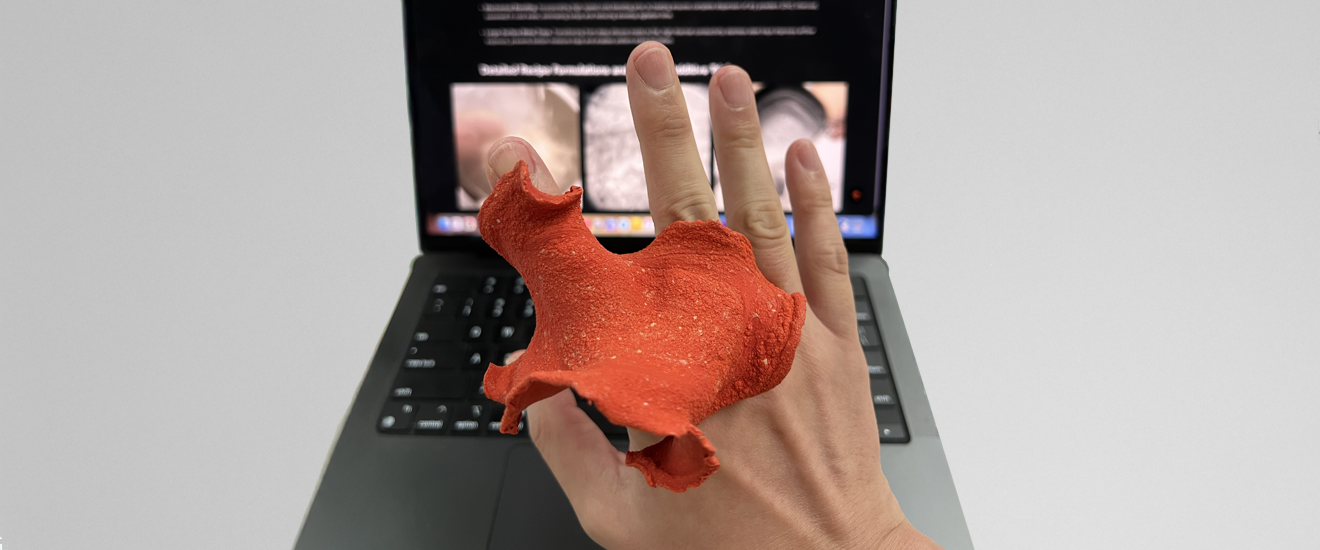
Post-Dehydration Specimen Audit (Recipe Trials 11–13)
Inspection of samples cast during Week 9 was conducted on October 19, focusing on 22-hour desiccation performance at 49°C, matrix cross-linking, and structural flexibility across flat stainless steel tray castings.
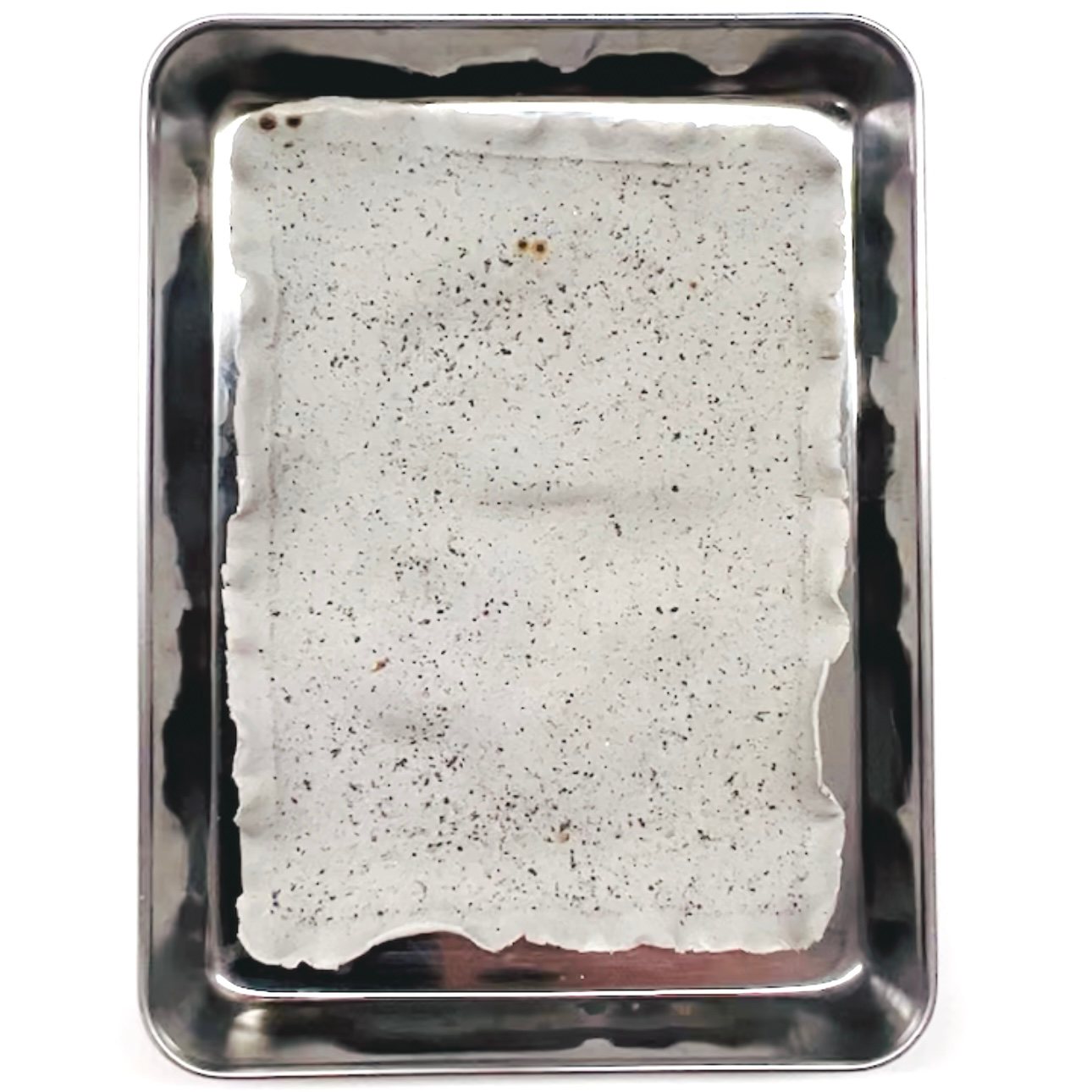
[22h Dehydration @ 49°C → Recipe Trial 11 (Charcoal/Beeswax) → Matte Grey / High Flexibility / Edge Tear Sensitivity]
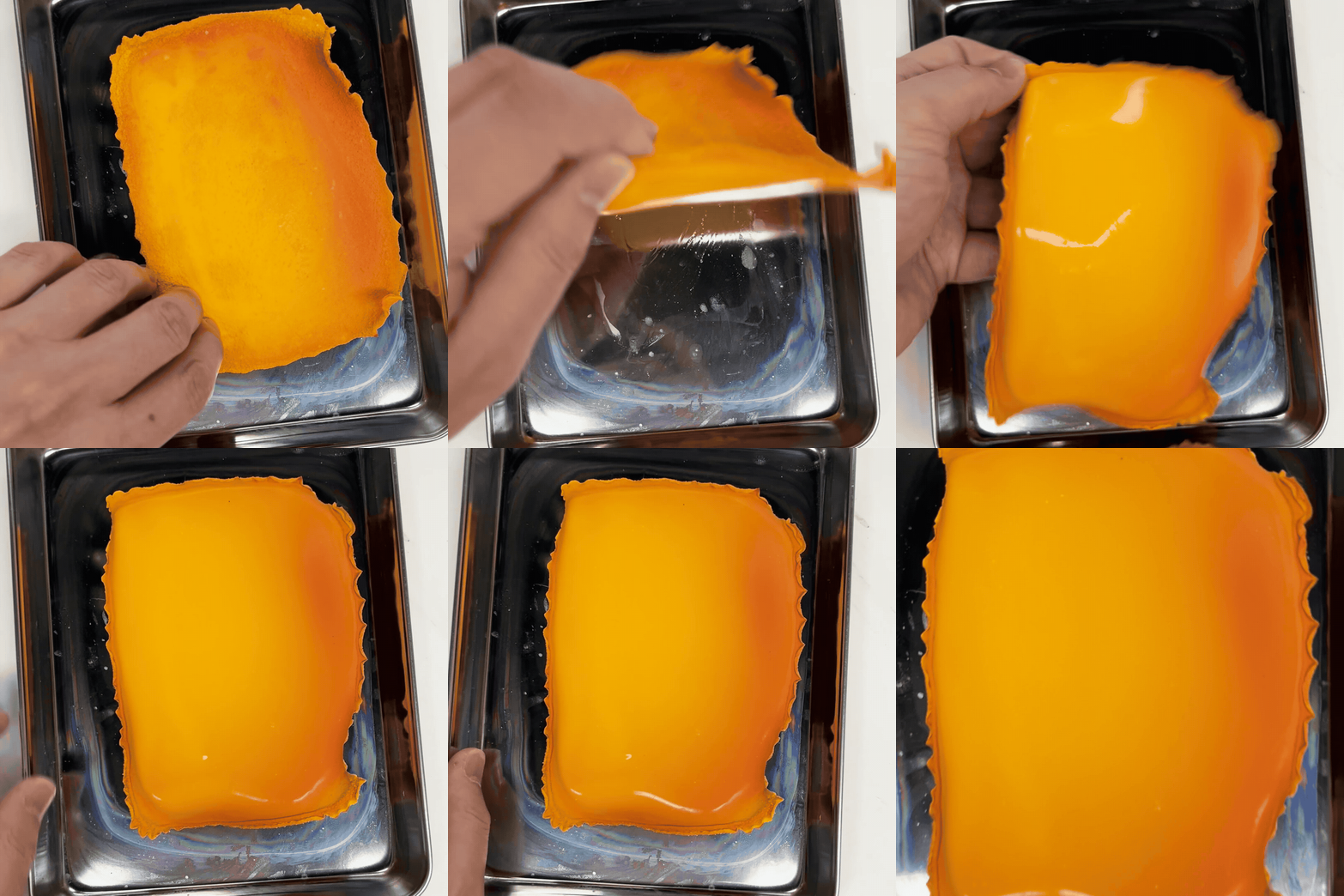
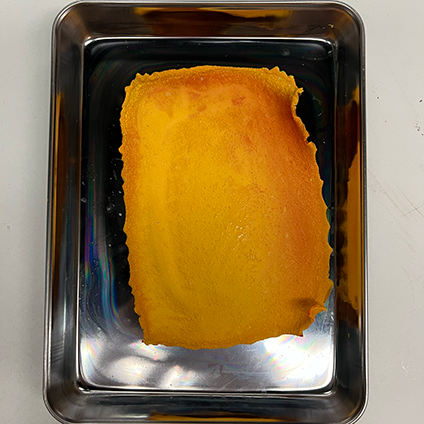
[22h Dehydration @ 49°C → Recipe Trial 12 (Thermochromic QC) → Cookies & Rigid Perimeter / Incomplete Central Core Desiccation]
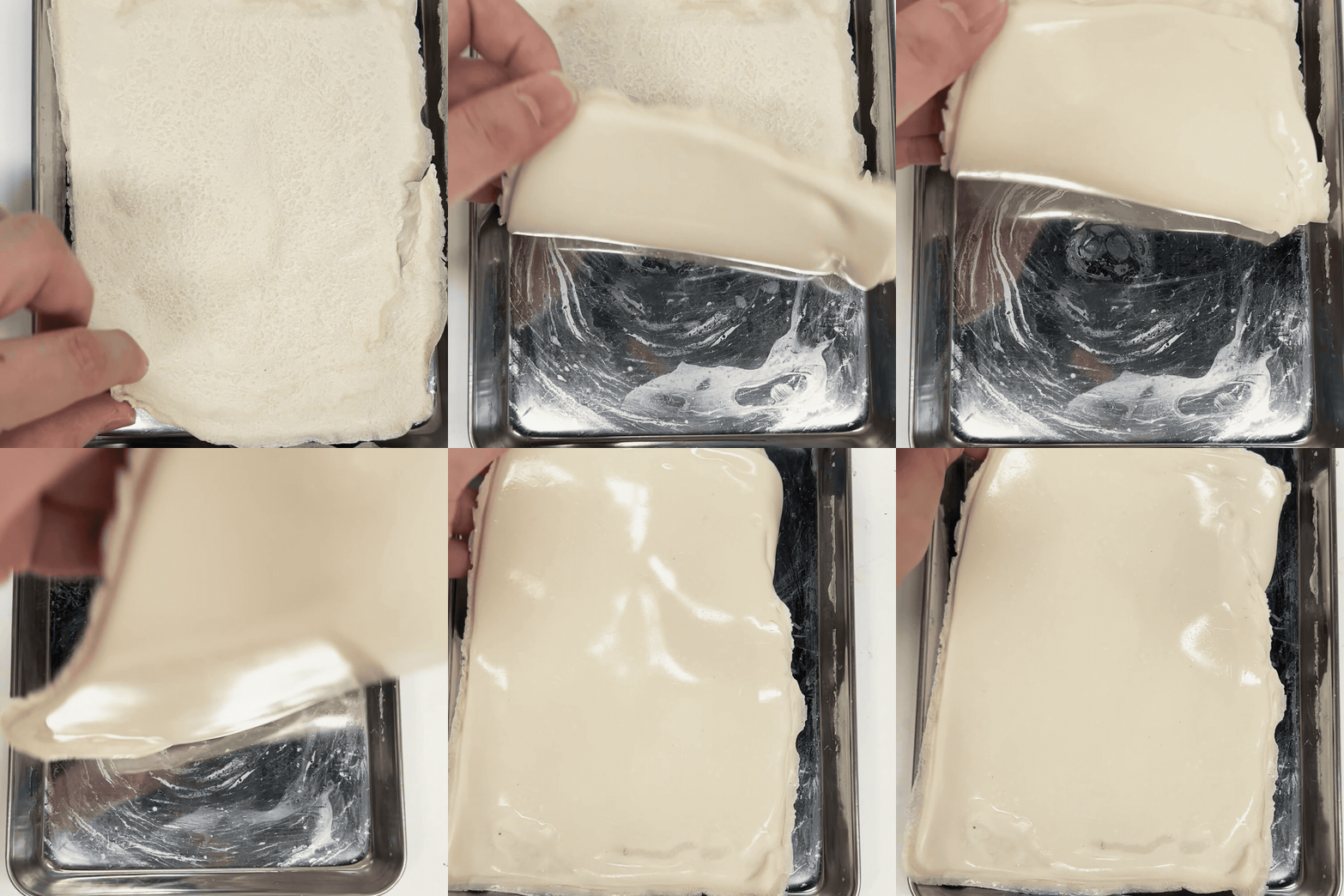
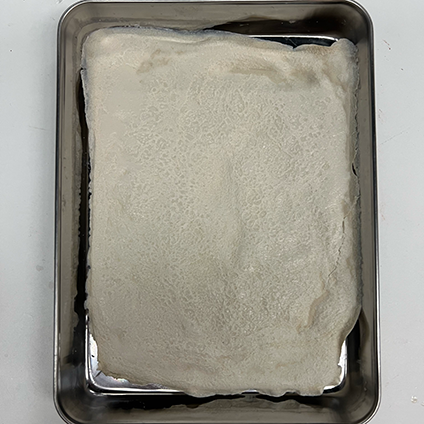
[22h Dehydration @ 49°C → Recipe Trial 13 (Baseline QC Base) → Hard Outer Rim / Core Moisture Retention and Bloating]
[+4h Secondary Dehydration @ 49°C (Total 26h) → Recipe Trial 12 and 13 → Severe Thermal Warping and Edge Curling]
Key Audit Observations
Recipe Trial 11 (Charcoal, Zinc and Beeswax Moisture-Resistant Sheet):
Visual and Tactile Surface: Forms a thick, matte grey flexible sheet with a distinct "cookies-and-cream" speckled visual texture caused by suspended mineral and charcoal granules. The sheet is significantly thicker and stiffer than baseline Recipe Trial 8.
Mechanical Performance: Demonstrates strong elastomeric recovery, the material can be rolled up, folded, or twisted and will return toward its original resting planar position. However, solid mineral and carbon inclusions act as internal stress points, rendering the outer edges susceptible to tearing under localized tension.
Desiccation and Surface Flatness: The sheet exhibits non-uniform surface shrinkage, resulting in localized central bloating where residual moisture remains trapped within the core, making the sheet feel cold to the touch and uneven across its surface.
Recipe Trial 12 (Thermochromic Master QC Formula):
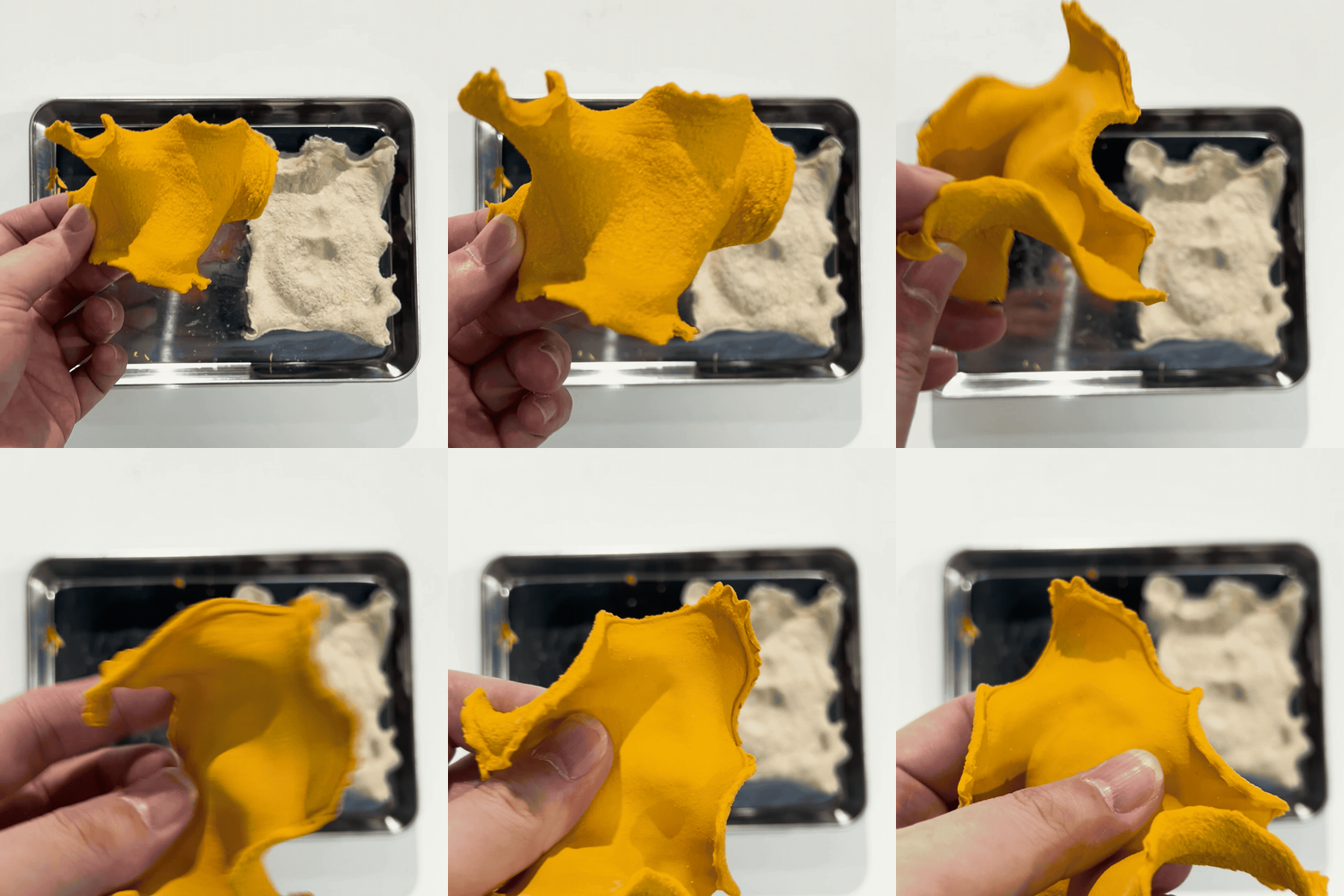
Visual and Tactile Surface: Cures into a vibrant yellow-orange rubbery sheet.
Initial Audit (22 Hours @ 49°C): The perimeter dried hard and rigid, while the central core remained soft, pliable, and damp underneath.
Secondary Extended Dehydration (+4 Hours @ 49°C): Subjecting the un-flipped sheet to an additional 4 hours of continuous drying (26 hours total) caused complete internal moisture loss. The matrix contracted violently and hardened into a rigid, fully desiccated 3D shell with severe edge curling, losing all planar flexibility.
Recipe Trial 13 (Baseline Hydrophobic QC Matrix):
Visual and Tactile Surface: Cures into an off-white to cream-colored rubbery sheet.
Initial Audit (22 Hours @ 49°C): Exhibited a hard outer rim with a damp, bloated central core that easily deformed under pressure.
Secondary Extended Dehydration (+4 Hours @ 49°C): Extended drying caused the outer perimeter to curl upward and harden into a rigid frame. Unlike Recipe Trial 12, the central matrix did not dry uniformly flat; instead, steam and trapped gas expanded under the hardened surface skin, creating raised, bloated lumpy pockets containing trapped air and pockets of residual moisture.
Process and Thermodynamic Analysis: Root Causes of Moisture Failure
1. Thermal Edge Conduction vs. Core Retention
The raised metal borders of the stainless steel tray act as primary heat conductors, causing the outer edges to dry and contract first. As these edges harden, they pin the perimeter firmly to the tray walls, restricting uniform planar contraction and locking liquid volume within the central core.
2. Premature Case-Hardening ("Skinning")
Continuous exposure to 49°C forced airflow rapidly evaporates moisture from the top boundary layer, creating a dense, impermeable polymer skin before internal water can escape. This trapped vapor locks moisture between the top skin and the solid metal tray base.
3. Single-Sided Evaporation Barrier
Solid metal trays provide zero bottom ventilation. Water cannot evaporate downward, making 22+ hours of continuous one-sided drying inefficient and leading to edge embrittlement without resolving internal dampness.
Integrated Process Protocol Optimization
To address premature skinning, edge pooling, central moisture trapping, and surface defects, the post-casting workflow and drying mechanics have been fully standardized.
Refined Dehydration and Workflow Protocol
-
Controlled
Cast
- Slow, thin pour
to prevent edge
wall pooling -
De-Bubble
and Leveling
- Tap tray on
work surface
- Alcohol misting -
Ionic Spray
and 30m Rest
- Spray diluted CaCl2 mist
- Rest and stabilize at
ambient lab temp
for 30 mins -
Two-Stage Mesh Inversion
and Intermittent Ambient Drying
- Dehydrate @ 49°C until gel state
forms and surface skin solidifies
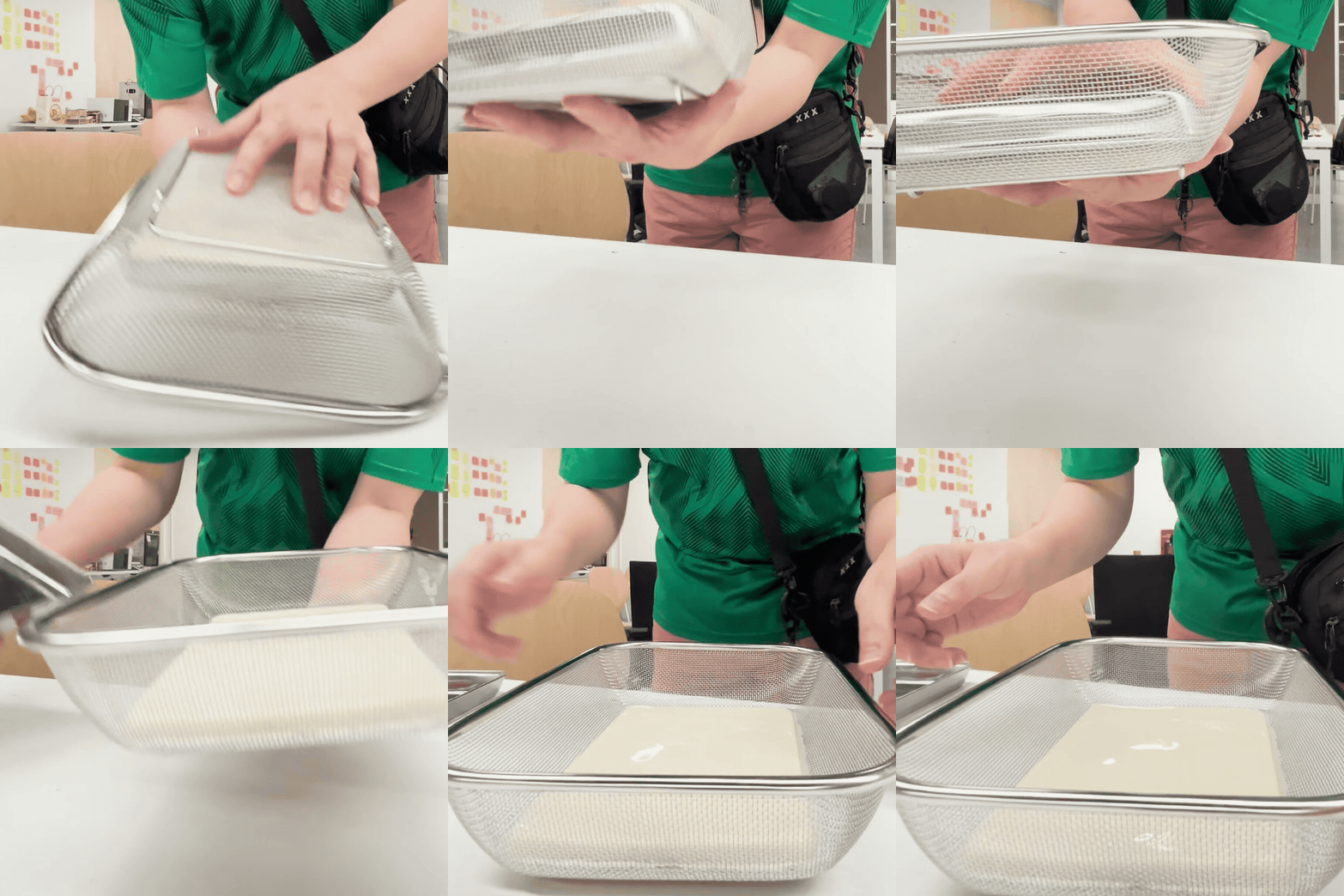
- Flip sheet onto perforated wire
mesh tray for 360° vapor transport
- Remove at 22:00 lab closure for
overnight ambient shelf-curing
Step-by-Step Refined Execution Standard
1. Controlled Planar Casting (Thickness Optimization):
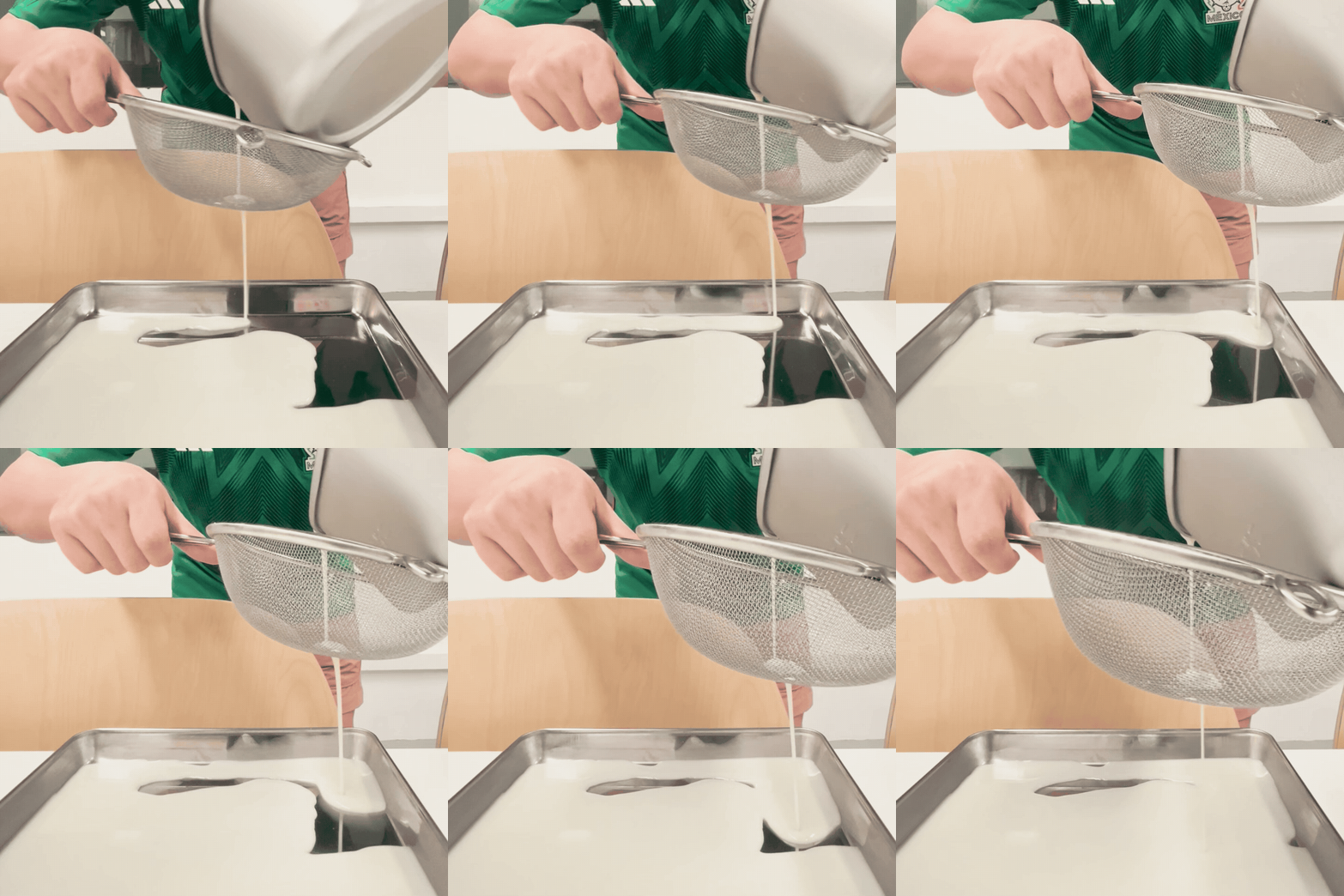
- Pouring Technique: Pour the hot hydrocolloid emulsion slowly and evenly across the stainless steel tray, avoiding fast central dumping.
- Edge Fluid Dynamics: Rapid dumping forces high-viscosity liquid to splash and build up along the raised metal tray borders. Excess fluid pooling at the tray walls creates thick edge menisci that dry into hard, inflexible rims, anchoring the perimeter and tearing the central matrix during contraction. Maintaining a thin, uniform liquid depth across the entire tray plane establishes equal drying rates across both perimeter and center.
2. Primary Dehydration and Surface Gel-Phase Monitoring:
Place the prepared tray into the forced-air dehydrator at 49°C. Monitor the sheet actively until the top boundary layer cures into a semi-solid, elastomeric gel state (loss of liquid tackiness).
3. Mesh Inversion and Dual-Sided Vapor Transport:
- Tray Transfer: Once the surface skin and perimeter achieve sufficient elastomeric cohesion to prevent liquid sagging or mesh indentation, carefully peel the sheet away from the solid stainless steel base and invert (flip) it onto a perforated wire mesh tray.
- Thermodynamic Purpose: Moving the semi-solid sheet from a solid metal plate to an open wire grid eliminates the non-porous vapor barrier on the underside. Exposing the damp core directly to circulating warm air enables two-sided evaporation, eliminating internal water trapping.
4. Intermittent Drying and Overnight Ambient Conditioning:
- Discontinuation of 22-Hour Continuous Exposure: Cease unbroken 22-hour overnight dehydration cycles to avoid thermal case-hardening and severe edge curling.
- Active Daily Protocol: Remove the sheet on its wire mesh tray daily by 22:00 (studio lab closure). Allow the semi-cured matrix to rest on ambient studio shelves overnight to cool, equilibrate internal moisture gradients, and stabilize planar geometry before secondary dehydrator passes.
Technical Rationale for Protocol Adjustments
-
Protocol Addition
Controlled Thin Pouring
Alcohol Mist Spray
Diluted CaCl2 Spray
30-Min Ambient Rest
Perforated Mesh Inversion
Intermittent Ambient Curing
-
Chemical / Physical Mechanism
- Prevents meniscus pooling
along raised metal tray rims
- Instantly lowers surface tension
across liquid-air interface
- Forms localized ionic bridges
with carrageenan/alginate
chains along top surface
- Allows thermo-reversible
gelation to stabilize uniformly
before active drying
- Converts single-sided
evaporation into 360° dual-
sided vapor transport
- Allows internal bound moisture
to diffuse outward without
continuous heat stress -
Target QC Problem Solved
- Eliminates thick, over-cured edge
rims and tray-border pinning
- Eliminates surface micro-bubbles,
pinholes, and rough surface defects
- Establishes a flexible surface
skin; prevents glycerin syneresis
("sweating")
- Prevents edge-to-core thermal
differentials and core vapor
locking
- Prevents wet central core
retention and bloated
undersides
- Eliminates surface case-hardening,
reduces severe edge curling, and
stops embrittlement
Contextual Research and Material Precedents
To overcome single-sided evaporation barriers and premature case-hardening, research was conducted into food-grade hydrocolloid drying mechanics, ionic surface cross-linking and organic starch co-binders:
- Thermodynamics of Case-Hardening and Dual-Sided Moisture Transport: Continuous one-sided forced-air drying creates a dense, impermeable boundary skin on top while trapping liquid volume underneath. Research into thin-film polymer drying indicates that peeling the semi-cured gel skin and inverting it onto a ventilated wire mesh tray eliminates the non-porous tray floor, establishing 360° dual-sided vapor transport to prevent core bloating and extreme thermal warping.
- Lipid Phase Emulsification and Hydrophobic Barrier Seals: Emulsifying beeswax into the liquid hydrocolloid base above 65°C utilizes lipid phase separation during curing. As the matrix dries, the non-polar beeswax migrates toward the surface, forming a thin hydrophobic vapor seal that limits environmental moisture absorption and imparts a smooth, waxy hand-feel similar to traditional fat-liquored leathers.
- Starch-Hydrocolloid Co-Binder Synergies: Incorporating wheat flour as an organic starch-protein (gluten) filler creates a dual-network hydrogel. Amylose and amylopectin starches gelatinize alongside carrageenan double helices during stovetop heating, increasing solid density, structural stiffness and opacity while maintaining flexural pliability.
Visual Moodboard and Design Intent
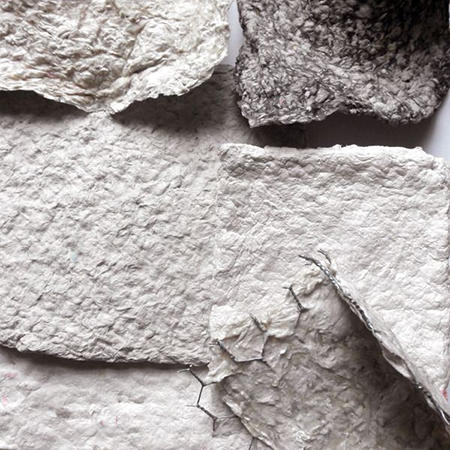
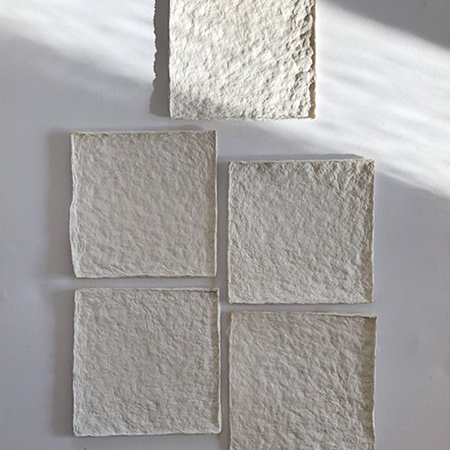
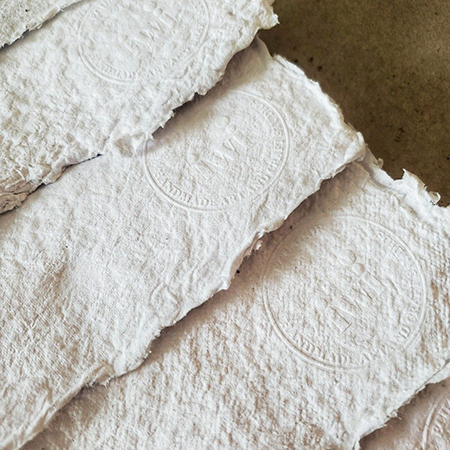
Alternative Craft and Traditional Material References

Critical Design Reflection
Reflecting on Week 10, identifying the core failure mechanisms of Recipe Trials 11 through 13, specifically tray heat conduction, rim pinning and case-hardening, marked a vital pivot in our physical processing protocol. Recognizing that extended continuous drying (+4 hours) only accelerated thermal warping and edge brittleness shifted our focus away from aggressive heat toward controlled thermodynamic management.
The development of the standardized Four-Step Protocol (Controlled Thin Pour → Alcohol Defoaming → Diluted CaCl₂ Ionic Spray → Two-Stage Mesh Inversion) successfully resolved internal dampness while preserving planar flatness. Furthermore, incorporating specialized functional additives in Trials 14, 15, and 16, such as thermochromic microcapsules for responsive color feedback and wheat flour for structural opacity, demonstrates that our core carrageenan-glycerol-wax emulsion functions as a highly adaptable base for custom bio-material design.
New Composite Formulations (Recipe Trials 14–16)
Processed Additive Trials (Recipe Trials 14, 15, and 16), Workflow Optimization, Mesh Inversion Mechanics and Post-Dehydration Curing Audit
[Cold Blender Pre-Mix → Stovetop Emulsification (>65°C) → Off-Flame CaCl2 Cross-Linking → 30-Min Ambient Rest and CaCl2 Mist Spray → Dehydration @ 49°C for 2 Hours; Remove from Dehydrator, Flip Polymer Over, Transfer to Metal Mesh Tray → Resume Dehydration @ 49°C for 4 to 6 Hours and Remove by 22:00]
Recipe Trial 14: Carbon-Free Hydrophobic Master QC Formula
Cast Date: 19 October, 2026
- Formulation Parameters: Water (278 ml), Seaweed Powder (8 g), Glycerol (2.5 ml – balanced for leather-like hand feel), Zinc Oxide Powder (1.2 g), Beeswax (2.5 g), Calcium Chloride (0.3 g dissolved separately in warm water).
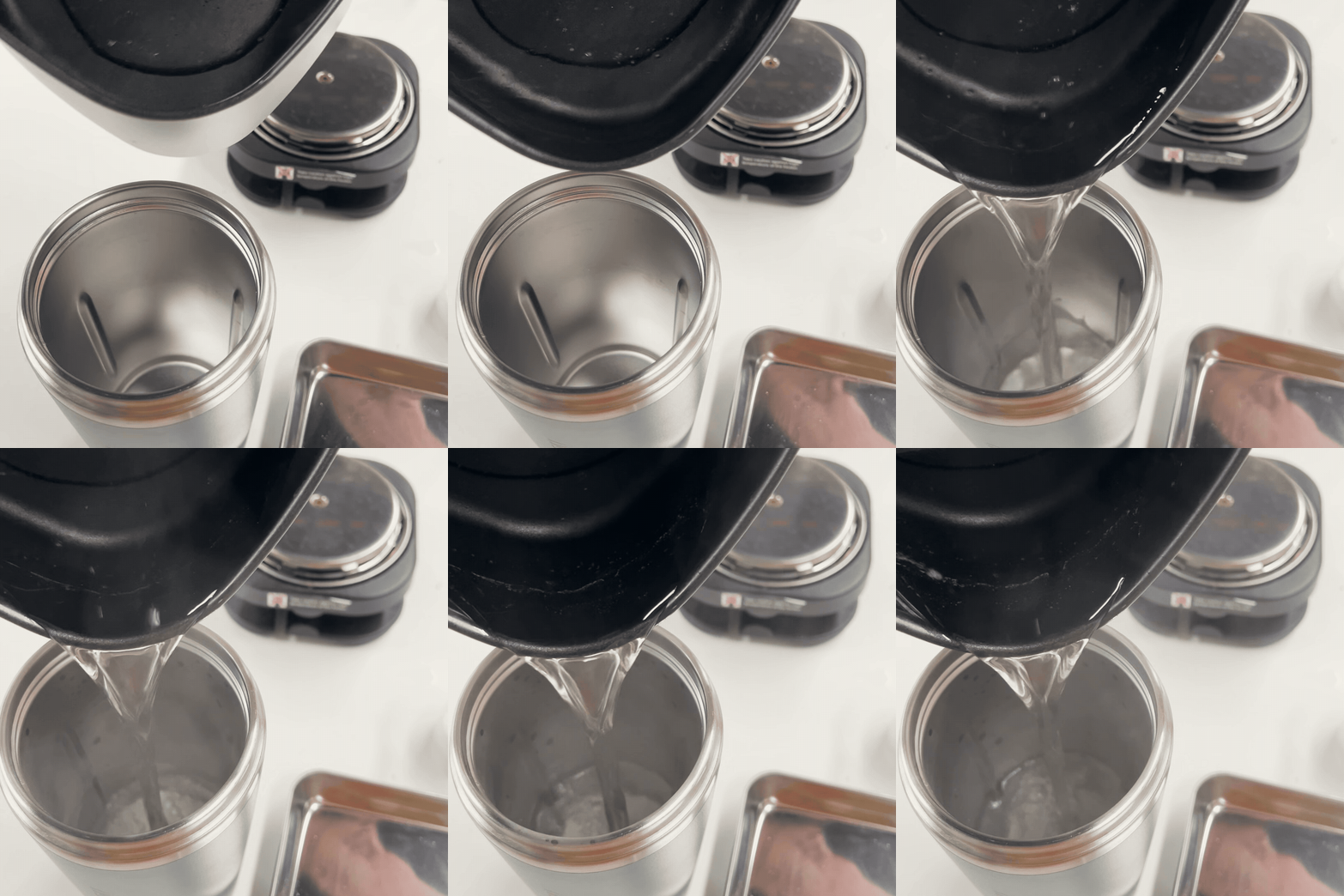
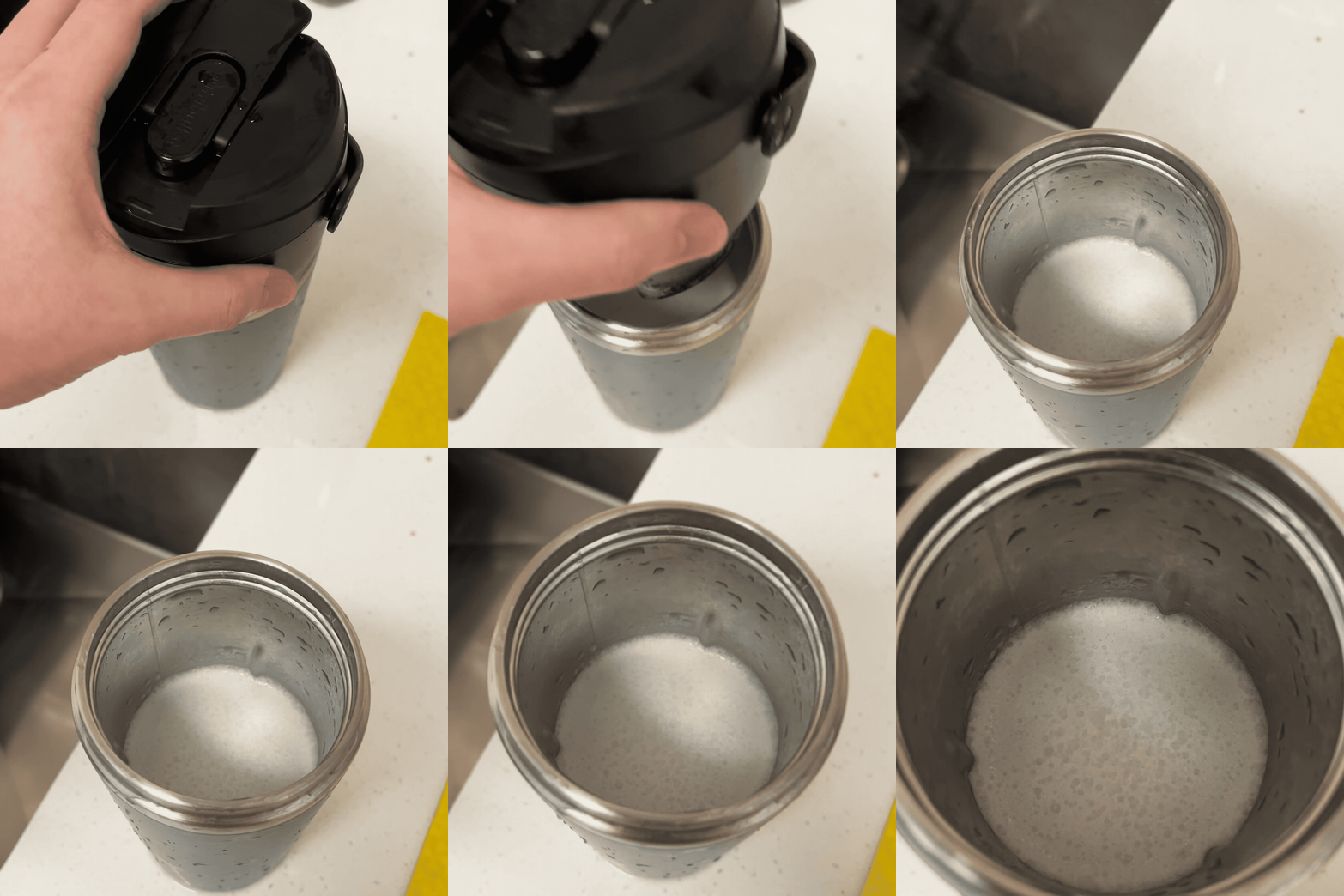
- Process Observations: Emulsified beeswax with water and glycerol at temperatures exceeding 65°C before incorporating seaweed and zinc oxide. Dissolved CaCl2 solution was drizzled off-flame under rapid stirring. The hot matrix was poured slowly and thinly onto the flat stainless steel tray, de-bubbled via tray tapping and 75% isopropyl alcohol misting, followed by a surface spray of diluted CaCl2 and a 30-minute ambient resting stabilization period.
- Casting and Microstructure: Placed into the forced-air dehydrator at 49°C. At the 4-hour 15-minute mark, the top boundary layer set into a soft, rubbery elastomeric film. The sheet was peeled from the solid tray borders and inverted onto a ventilated mesh tray to allow 360° airflow across the underside. Following 15 hours of overnight dehydration, the cured off-white sheet maintained high planar flatness without extreme shrinking or curling. The surface exhibited a characteristic cold, clammy, and waxy tactile hand-feel due to the surface-bound beeswax lipid film and ambient humectant interaction.

Recipe Trial 15: Wheat Flour and Seaweed Organic Composite Sheet
Cast Date: 20 October, 2026
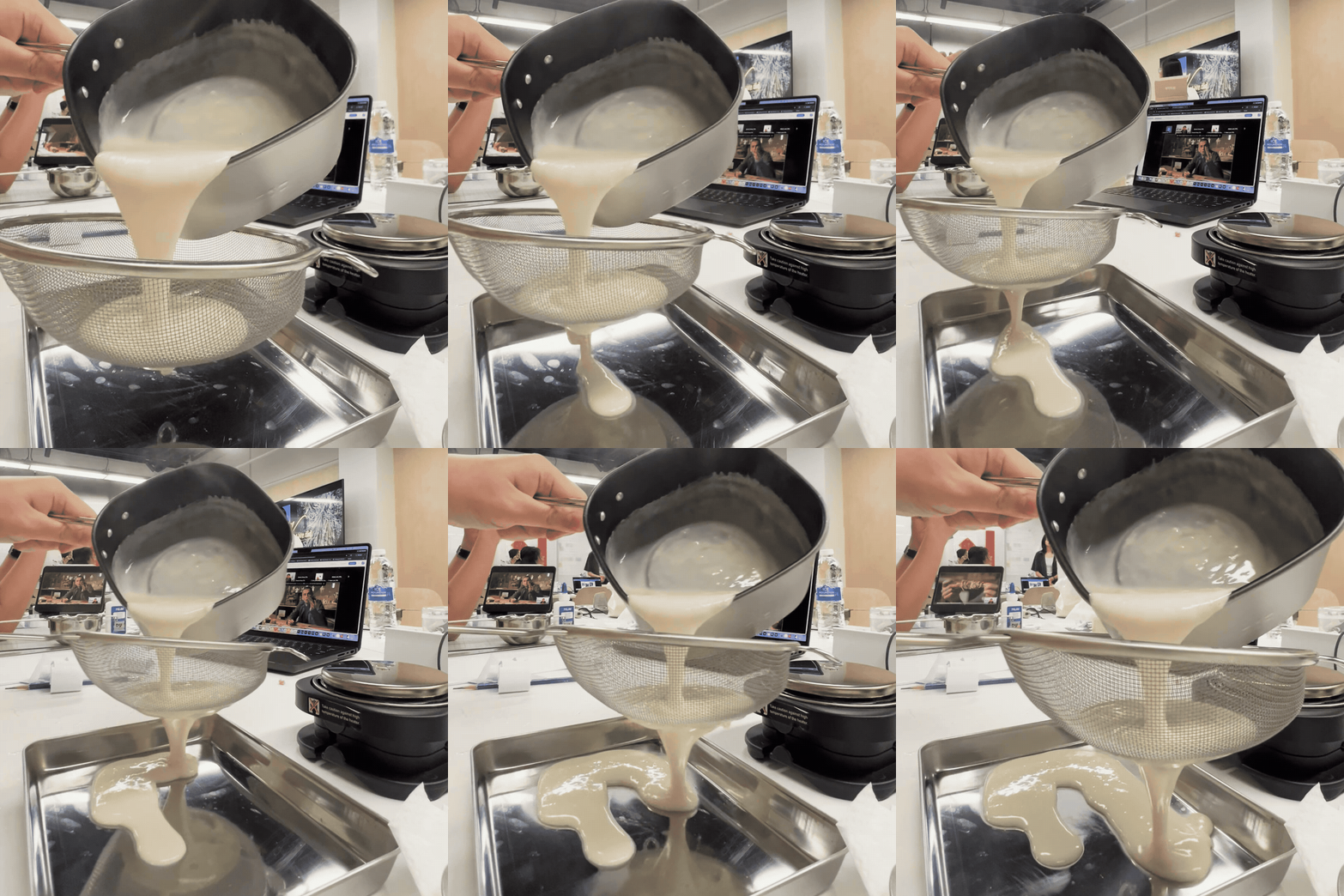
- Formulation Parameters: Water (350 ml), Seaweed Powder (10 g), Bakers' Choice Wheat Flour (12 g — organic structural protein/gluten matrix), Glycerol (3 ml), Zinc Oxide Powder (1.5 g), Beeswax (3 g), Calcium Chloride (0.5 g dissolved separately in warm water).
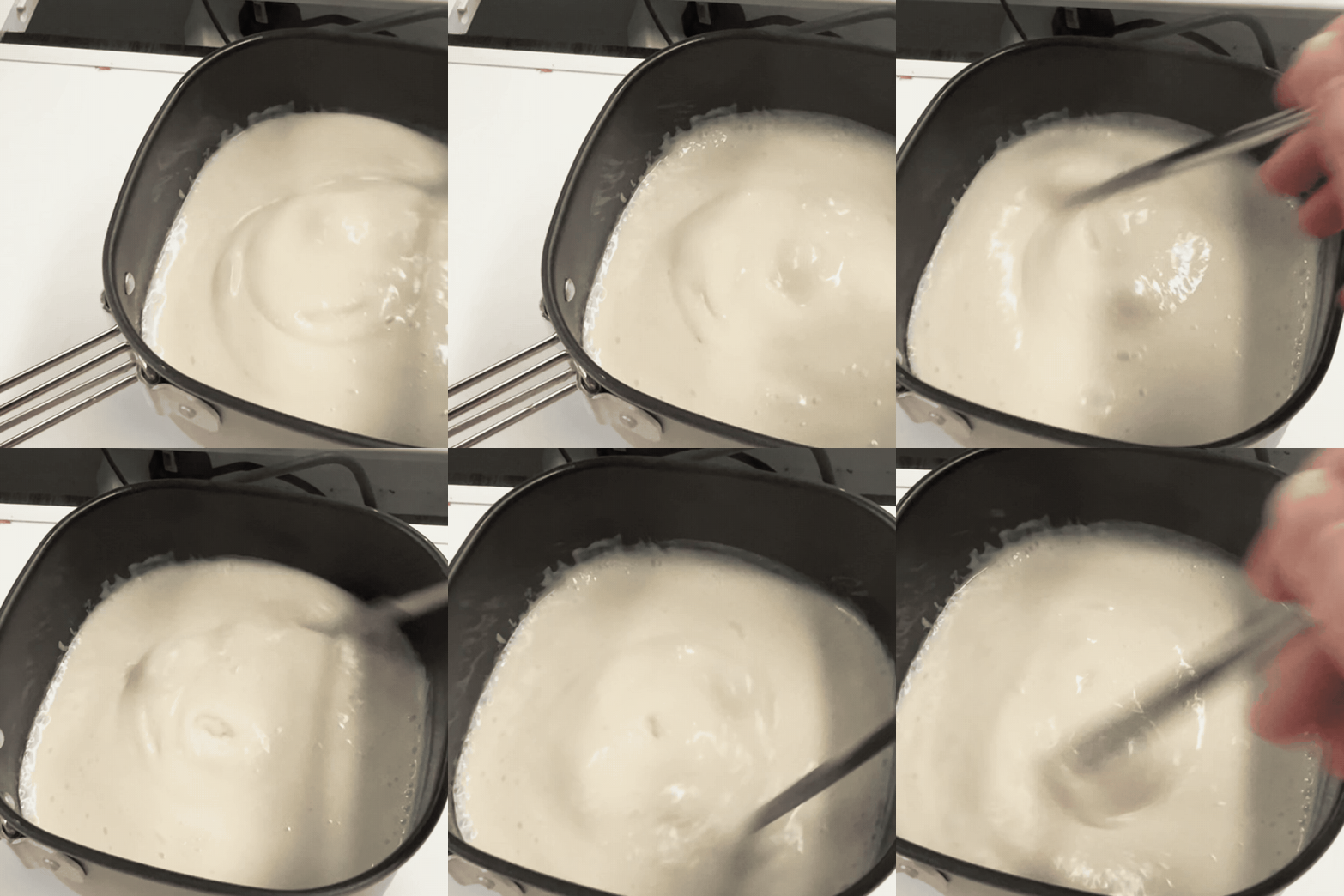
- Process Observations: Lipid phase (beeswax, water, glycerin) was blended first, followed by cold incorporation of dry seaweed powder, wheat flour, and zinc oxide for 30–45 seconds to prevent dry flour clumping. During stovetop thermal activation, continuous agitation was maintained to manage starch gelatinization and gluten matrix thickening into a dense cream slurry. Dissolved CaCl2 was folded in off-flame.
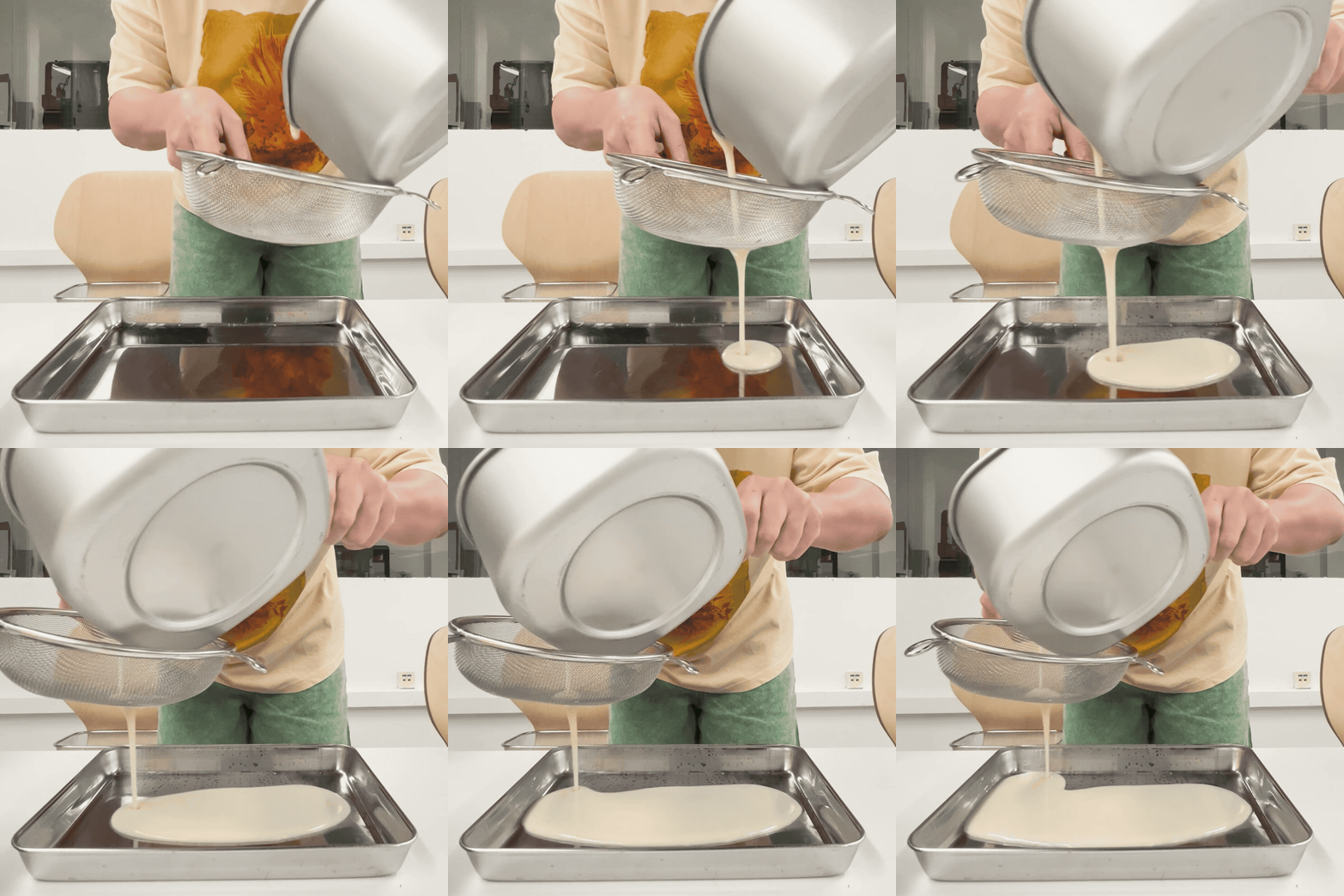
- Casting and Microstructure: Strained and poured thinly across the stainless steel tray, defoamed, misted with CaCl2, and rested for 30 minutes before dehydrating at 49°C. The organic starch filler yielded a smooth, opaque, matte-cream finish. The sheet demonstrated high structural stiffness and dimensional stability, though the un-emulsified starch-protein matrix exhibited slight micro-texturing across the non-sieve-contact face.
Recipe Trial 16: Thermochromic Emulsified QC Matrix
Cast Date: 20 October, 2026
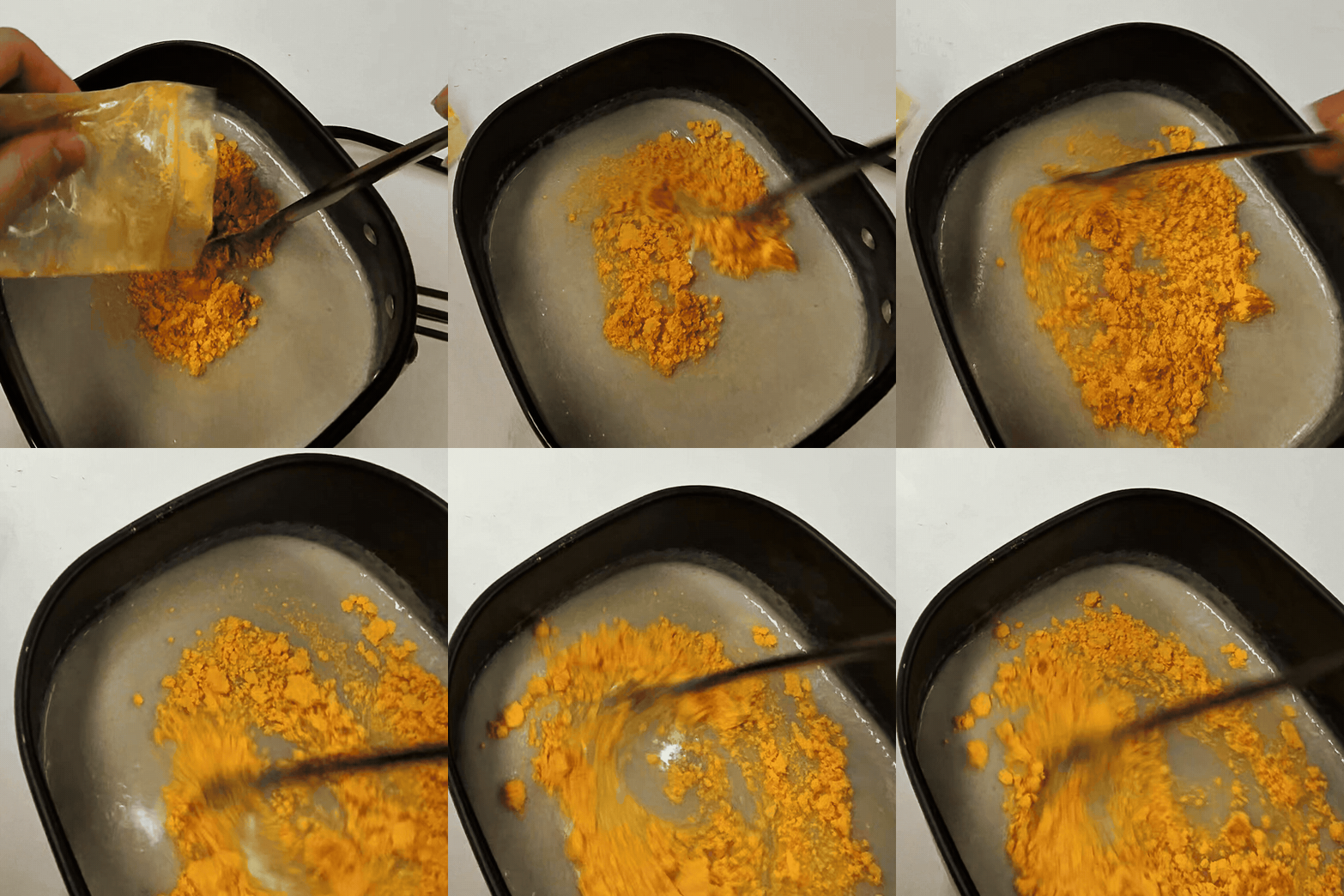
- Formulation Parameters: Water (280 ml), Seaweed Powder (8 g), Thermal Purple/Yellow Pigment Powder (3.5 g microcapsules), Glycerol (2.5 ml), Zinc Oxide Powder (1.2 g), Beeswax (2.5 g), Calcium Chloride (0.3 g dissolved separately in warm water).
- Process Observations: Beeswax, water, and glycerin were pre-blended into a stable lipid emulsion prior to introducing dry powders. Stovetop cooking was maintained below 75°C to protect leuco dye microcapsule walls. Thermochromic pigment was folded in off-flame alongside pre-dissolved CaCl2 solution. Cast thinly, defoamed via alcohol spray, misted with CaCl2, and rested for 30 minutes.
- Casting and Microstructure: Achieving rapid surface gelation, the matrix solidified within 1.5 hours and was successfully inverted onto a steel mesh tray. After extended drying at 49°C, the yellow-orange planar sheet cured flat with crisp rectangular edges, zero edge curling, and rapid, reversible thermal color responsiveness upon touch. The surface retained a pliable, rubbery hand-feel with a light hydrophobic wax sheen.
Key Takeaways and Learned Insights
- Optimization of Mesh Inversion Mechanics: Transitioning semi-solid biopolymers onto perforated wire mesh trays at the 1.5-to-4-hour mark eliminates the solid tray vapor barrier, enabling 360° dual-sided evaporation and preventing wet core retention without triggering edge curling.
- Tactile Dynamics of Emulsified Wax and Glycerin: The cold, clammy, and waxy hand-feel observed post-curing indicates successful lipid phase separation (beeswax forming a hydrophobic surface barrier) combined with controlled humectant moisture retention (glycerin plasticization).
- Starch-Hydrocolloid Co-Binder Stability: Incorporating wheat flour as an organic bulk filler creates a dense gluten-carrageenan matrix that enhances sheet opacity and dimensional stiffness while maintaining planar stability during forced-air drying.
Strategic Action Plan
- Auxetic Pattern Laser-Cutting: Subject flat sheets from Recipe Trials 14 and 16 to digital laser-cutting and manual die-stamping to test stretch performance and auxetic mesh expansion for the net-bag prototype.
- Environmental Humidity Exposure Testing: Place cured sheets of Recipe Trials 14, 15, and 16 in ambient Singapore outdoor conditions for 72 hours to audit surface wax integrity, moisture re-absorption, and long-term dimensional stability.
- Interim Review Display Preparation: Mount standardized rectangular specimens onto presentation boards for the upcoming academic interim review and November Design Lab Showcase.