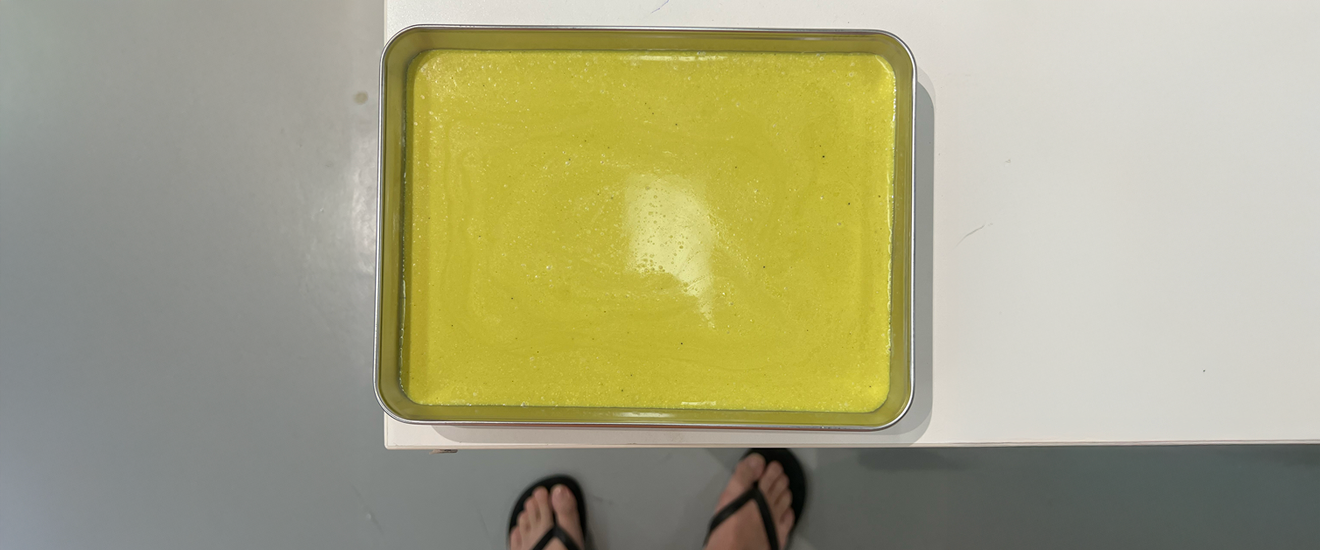
Post-Dehydration Specimen Audit (Recipe Trials 7–10)
Inspection of samples cast during Week 8 was conducted on October 9, focusing on long-term desiccation performance, structural integrity and moisture migration behaviors.
[24h–48h Dehydration @ 49–74°C → Recipe Trials 7 and 9 (Salt Composites) → Moisture Trapped in Core / Brittle Shell]
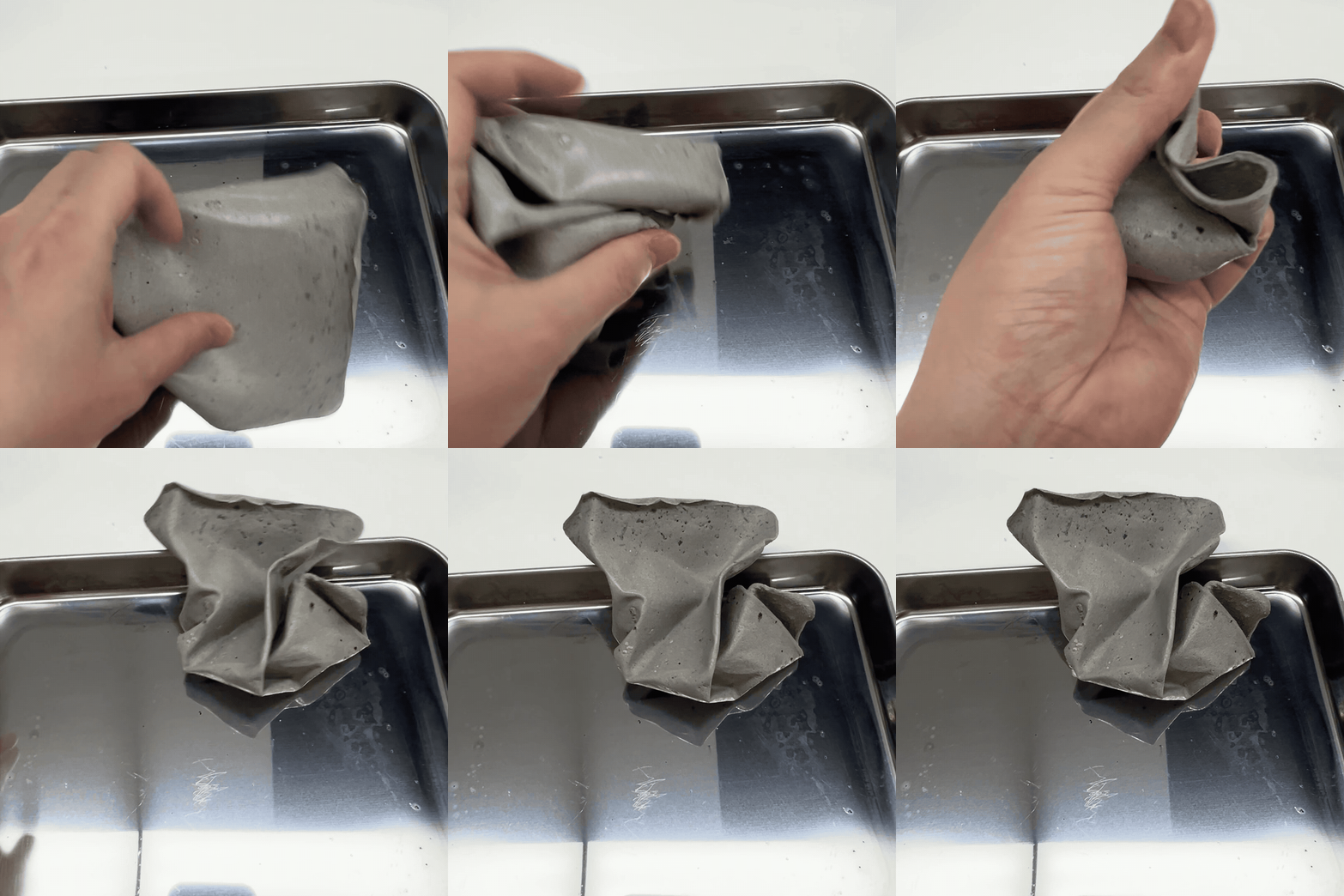
[22h Dehydration @ 49°C → Recipe Trials 8 (Charcoal Sheet) →Cookies & Cream / Rubbery Recovery]
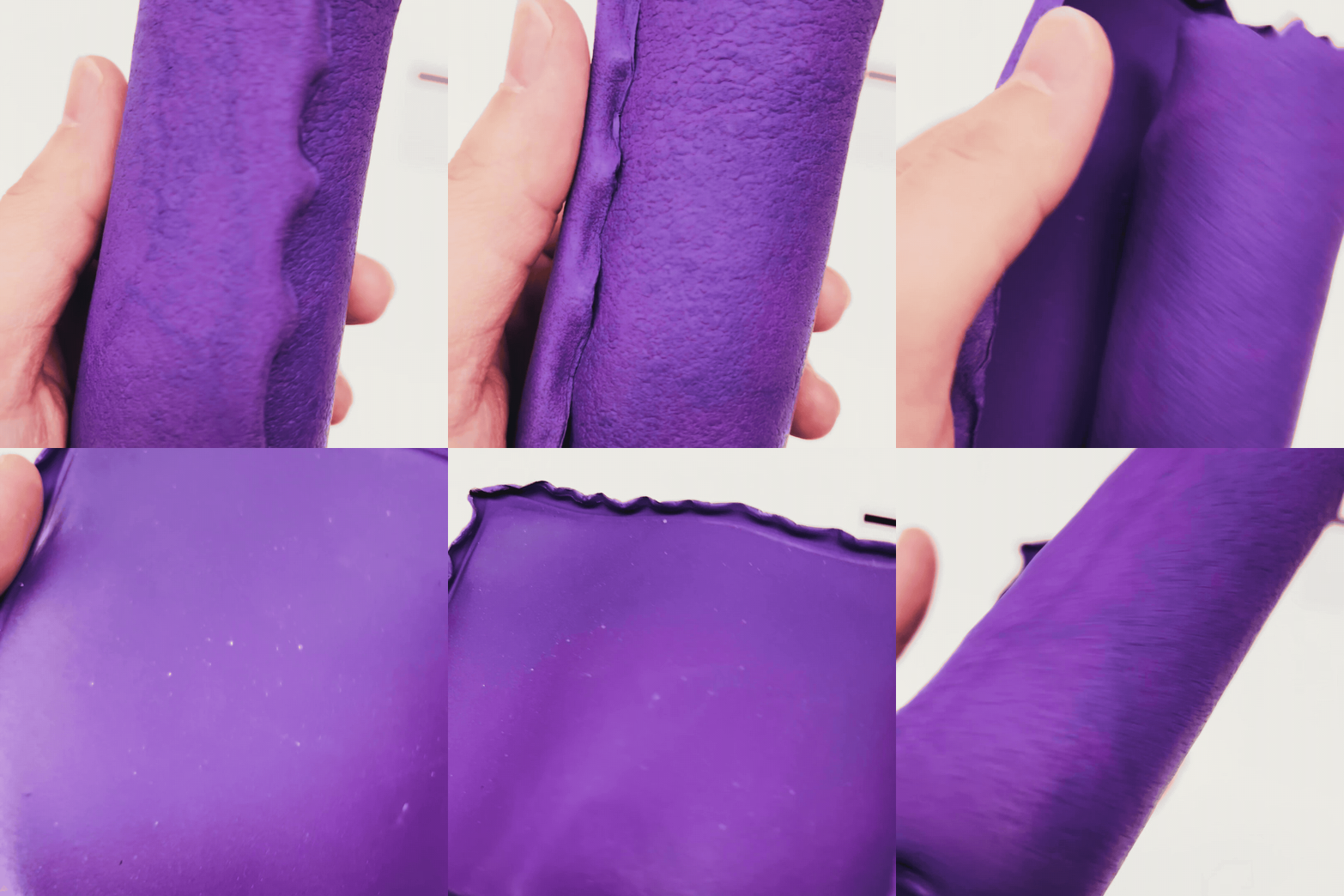
[22h Dehydration @ 49°C → Recipe Trials 10 (Thermochromic) →Reversible Touch Sensitivity / Syneresis]
Key Audit Observations
Recipe Trial 7 and Recipe Trial 9 (Himalayan Pink Salt Hard Composites):
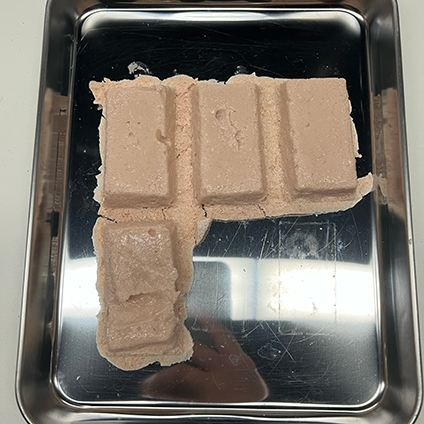
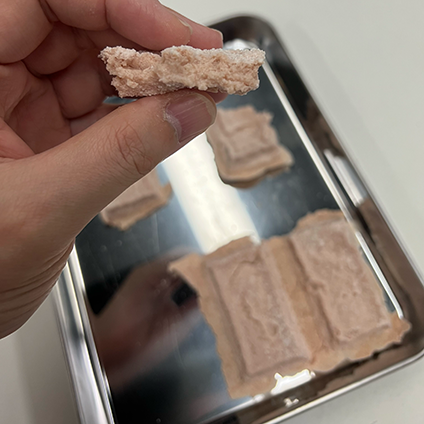
Pressing the sample's center produces a noticeable structural dent, breaking through a dry, crispy outer crust to reveal a soft, damp core. Recipe 9 exhibits identical behavior when cast in silicone cavities: the top exposed face dries into a crusty layer, while the underside resting against the silicone mold remains soft and un-cured. Transferring to flat metal trays and subjecting samples to two additional 4-hour dehydration cycles at 74°C failed to drive out core moisture.
Extreme salt concentration creates high osmotic water retention within the mineral lattice. The rapid formation of an outer dried crust traps steam and liquid vapor inside the central core. This differential drying rate creates severe structural weakness along internal moisture gradients, causing the sample to fracture easily.
Recipe Trial 8 (Activated Charcoal and Seaweed Flexible Sheet):
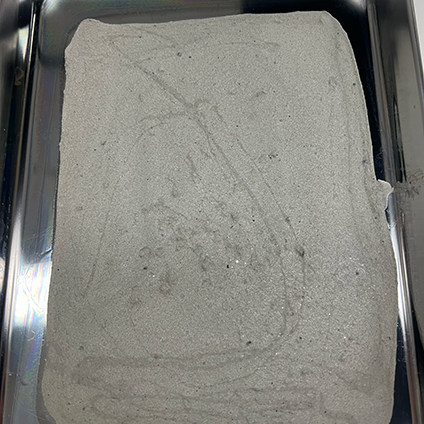
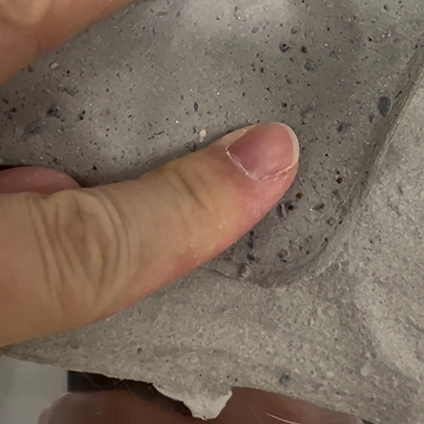
Inspection shows a flexible grey sheet cast on a large stainless steel tray. When folded, crushed or manipulated in hand, the material exhibits rubbery recovery, returning smoothly toward its flat form. The surface features a "cookies-and-cream" speckled visual texture caused by larger, insoluble charcoal granules that suspended in liquid during cooking rather than dissolving.
Zinc Oxide (ZnO) combined with activated charcoal completely neutralizes volatile sulfur (H2S) off-gassing, yielding an odor-free material. While charcoal provides UV stability and gas adsorption, the solid carbon particles act as micro-discontinuities in the carrageenan polymer chain, slightly reducing stretchability and tear resistance under high tension.
Recipe Trial 10 (Thermochromic Purple and Seaweed Flexible Sheet):
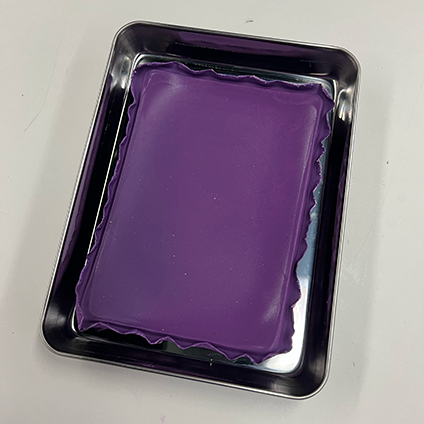
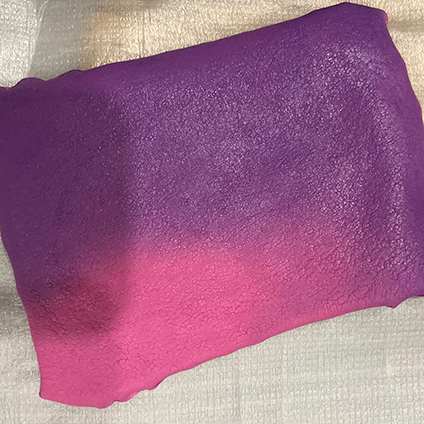
Initial inspection after 19 hours of dehydration at 50°C shows a flexible, leathery purple sheet with a textured face on one side and a dull gloss finish on the other. Direct skin contact or finger pressure transfers body heat, instantly shifting the touched area from purple to bright magenta. Upon removing touch, the magenta imprint slowly reverts to purple.
When removed from the cool, dry studio lab and exposed to ambient Singapore outdoor air for 24 hours, the sheet absorbed atmospheric humidity, turning cold, clammy, and moist. This moisture absorption caused patchy, uneven thermal color reactions across the surface.
Technical Analysis: Root Causes of Moisture Failure and QC Remedies
Syneresis and Moisture QC
-
Root Cause
- Excess Glycerin
- Hydrocolloid Network Shrink
- Ambient Humidity -
Physical Failure
- Surface sweating
- Sticky finish
- Low load capacity
- Mold risk -
Quality Control Remedy
- Cap Glycerin at 10–15% of
dry binder weight
- Introduce CaCl2 cross-links
- Emulsify Beeswax phase
1. Glycerin Excess and Atmospheric Humectancy
Glycerin is a powerful humectant. When added in excess of the carrageenan binder's retention capacity (> 15% weight ratio), unbound glycerin migrates to the sheet surface, pulling ambient water out of humid tropical air and causing surface weeping or "sweating".
2. Carrageenan Network Collapse (Syneresis)
As carrageenan hydrogels cure and polymer chains realign, the 3D network contracts and squeezes out unbound water, causing liquid droplets to pool on top of the sheet.
3. Strategic Quality Control (QC) Formulations
- Glycerin Rebalancing: Capping glycerin content at 10–15% of total dry binder weight prevents plasticizer migration to the surface.
- Ionic Cross-Linking (CaCl2): Dissolved calcium ions (Ca2+) form tight ionic cross-links with carrageenan and alginate chains, binding the hydrogel into a rigid molecular cage that prevents water squeezing.
- Hydrophobic Emulsification (Beeswax): Heating beeswax past its melting point (~65°C) during agitation distributes microscopic hydrophobic wax droplets throughout the matrix, forming an internal barrier against humidity.
Contextual Research and Material Precedents
To resolve syneresis ("sweating") and core moisture retention observed in high-salt and high-glycerin swatches, research was expanded into hydrocolloid physical chemistry and industrial moisture-barrier formulation:
- Plasticizer Migration and Humectant Stoichiometry: Glycerol acts as an internal plasticizer by wedging between carrageenan polymer chains to increase flexibility. However, when glycerol concentration exceeds the hydrocolloid matrix's binding capacity (>15% dry weight ratio), unbonded polyol molecules diffuse to the surface, absorbing ambient atmospheric moisture and causing persistent surface sweating in tropical humidity.
- Osmotic Trapping in Ionic Composite Matrices: High concentrations of hygroscopic salts (such as Himalayan pink salt in Trials 7 and 9) create steep osmotic pressure gradients within the curing matrix. Rapid surface evaporation forms a dense, crystalline outer crust that locks liquid vapor within the central core, demonstrating that inorganic salt fillers must be carefully balanced to prevent structural delamination.
- Divalent Ionic Cross-Linking (CaCl₂): Divalent calcium cations (Ca²⁺) bind specifically to the sulfate ester groups of kappa-carrageenan double helices, forming tight junction zones. This ionic network shrinks pore size and locks bound water within a dense molecular cage, preventing hydrocolloid network collapse and phase separation under ambient humidity.
Visual Moodboard and Design Intent
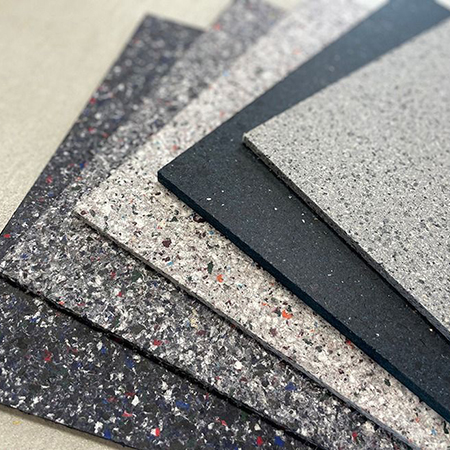
Alternative Craft and Traditional Material References
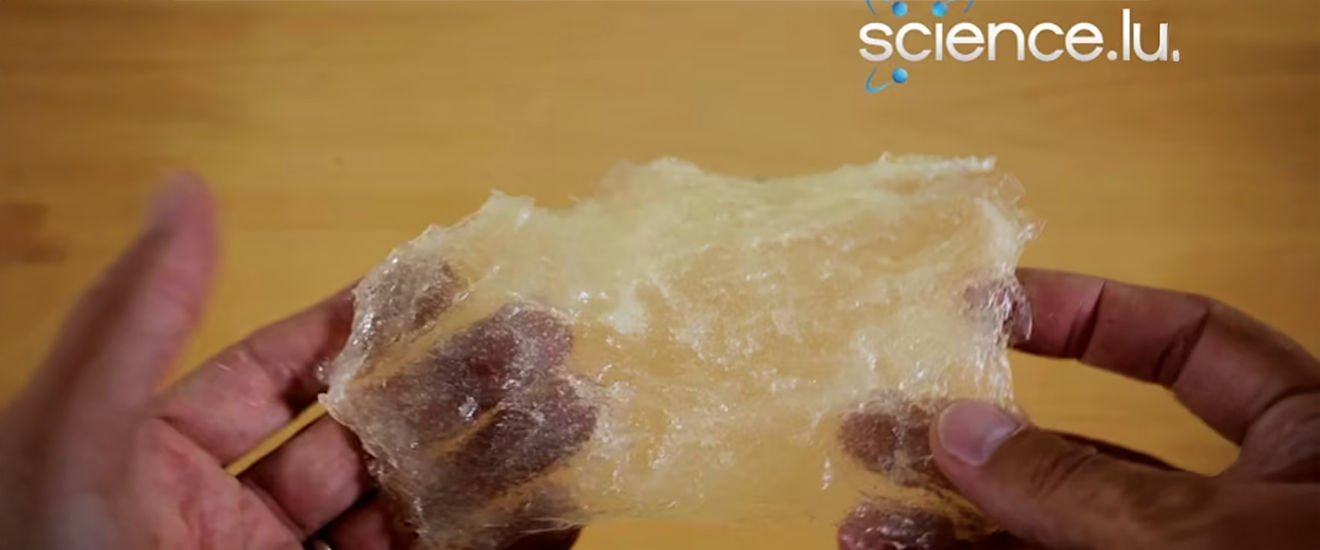
Critical Design Reflection
Reflecting on Week 9, evaluating the moisture defects of Trials 7 through 10, specifically surface sweating, sticky finishes, and core moisture trapping, marked a fundamental shift from trial-and-error recipe mixing to precise chemical quality control. Recognizing that excess glycerol pulls ambient humidity out of Singapore's tropical air forced us to establish strict plasticizer caps (10–15% dry binder weight) across all subsequent formulations.
Furthermore, introducing a multi-tiered moisture defense in Trials 11 through 13, combining CaCl₂ ionic cross-linking with emulsified hydrophobic beeswax, proved to be a major technical milestone. Successfully protecting thermochromic and charcoal swatches against humidity-induced degradation demonstrates that hydrocolloid biopolymers can be engineered for tactile stability and longevity without relying on synthetic petroleum coatings.
Refined Recipe Formulations (Recipes Trials 11–13)
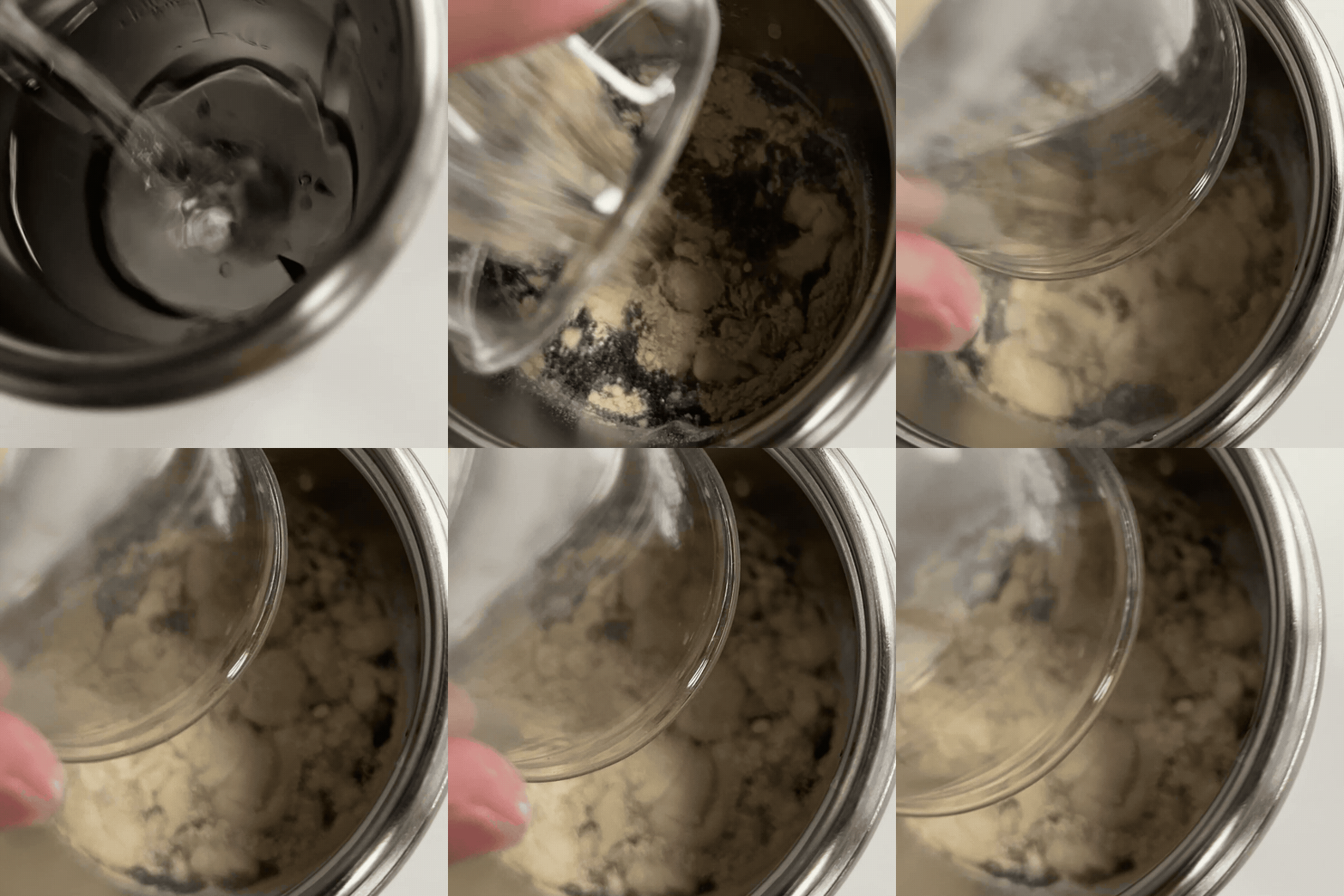
Recipe Trial 11: Charcoal, Zinc and Beeswax Moisture-Resistant Sheet
Cast Date: 7 October, 2026
- Formulation Parameters: Water (350 ml), Seaweed Powder (15 g), Activated Charcoal Powder (15 g), Glycerol (15 ml), Zinc Oxide Powder (0.2 g), Beeswax (3–5 g), Optional Lecithin Emulsifier 2–3 drops.
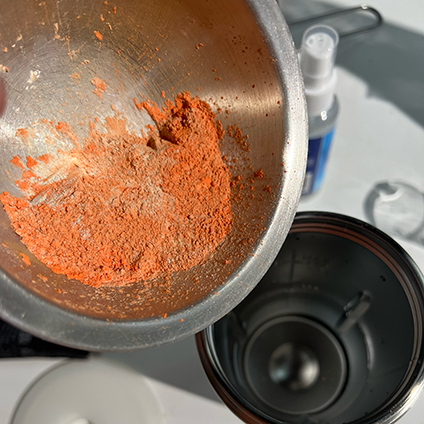
- Process Observations: Dry powders are cold-blended in water for 30–45 seconds. The fluid is transferred to a saucepan and heated past 65°C, where melting beeswax is emulsified into the dark slurry via continuous agitation before bringing it close to a gentle simmer (< 80°C).
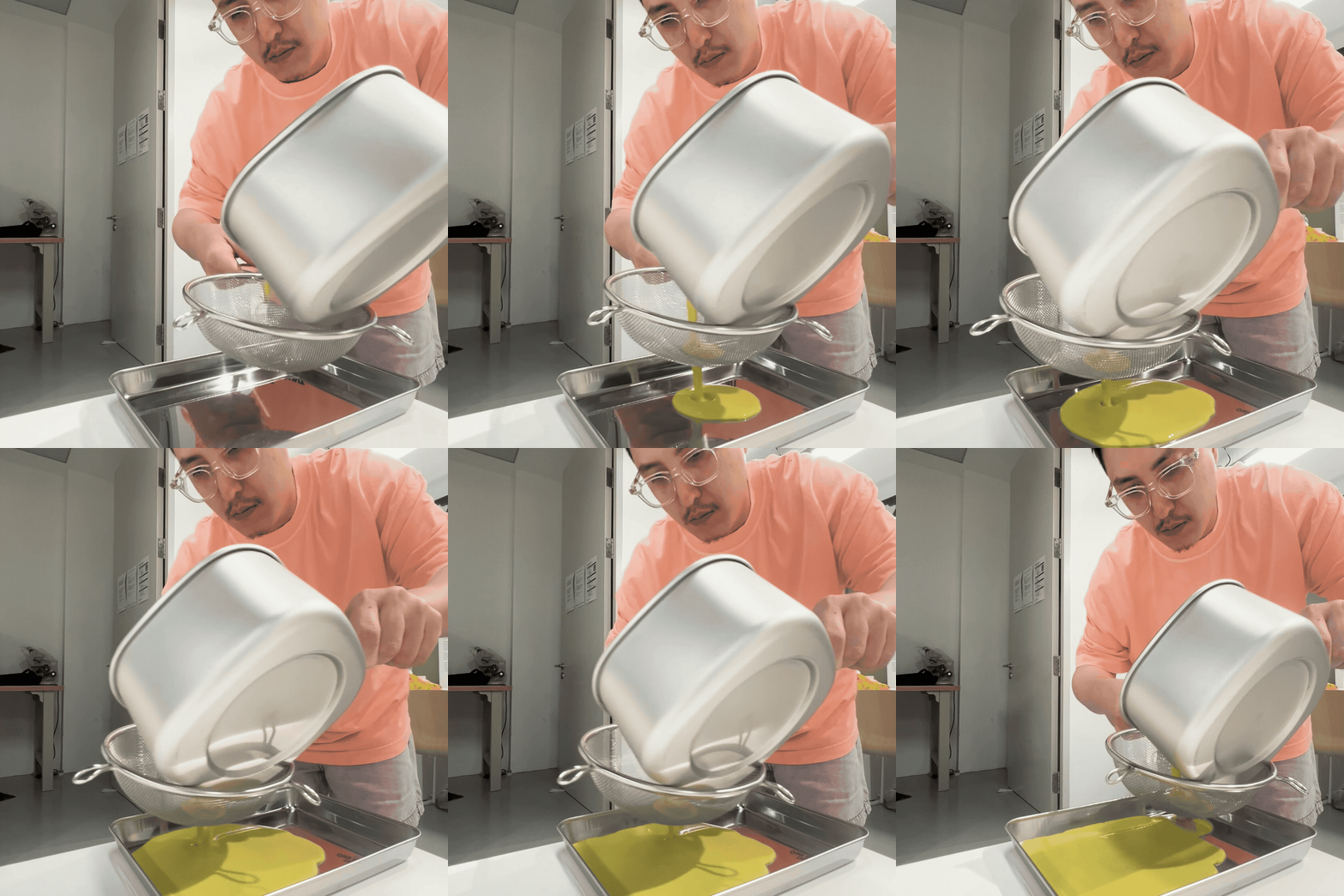
- Casting and Microstructure: Poured smoothly onto flat stainless steel trays, de-bubbled with a fine 75% isopropyl alcohol mist, and cured in a forced-air dehydrator at 49°C for 12–16 hours to form a matte-black, hydrophobic flexible sheet.
Recipe Trial 12: Thermochromic Master QC Formula
Cast Date: 8 October, 2026
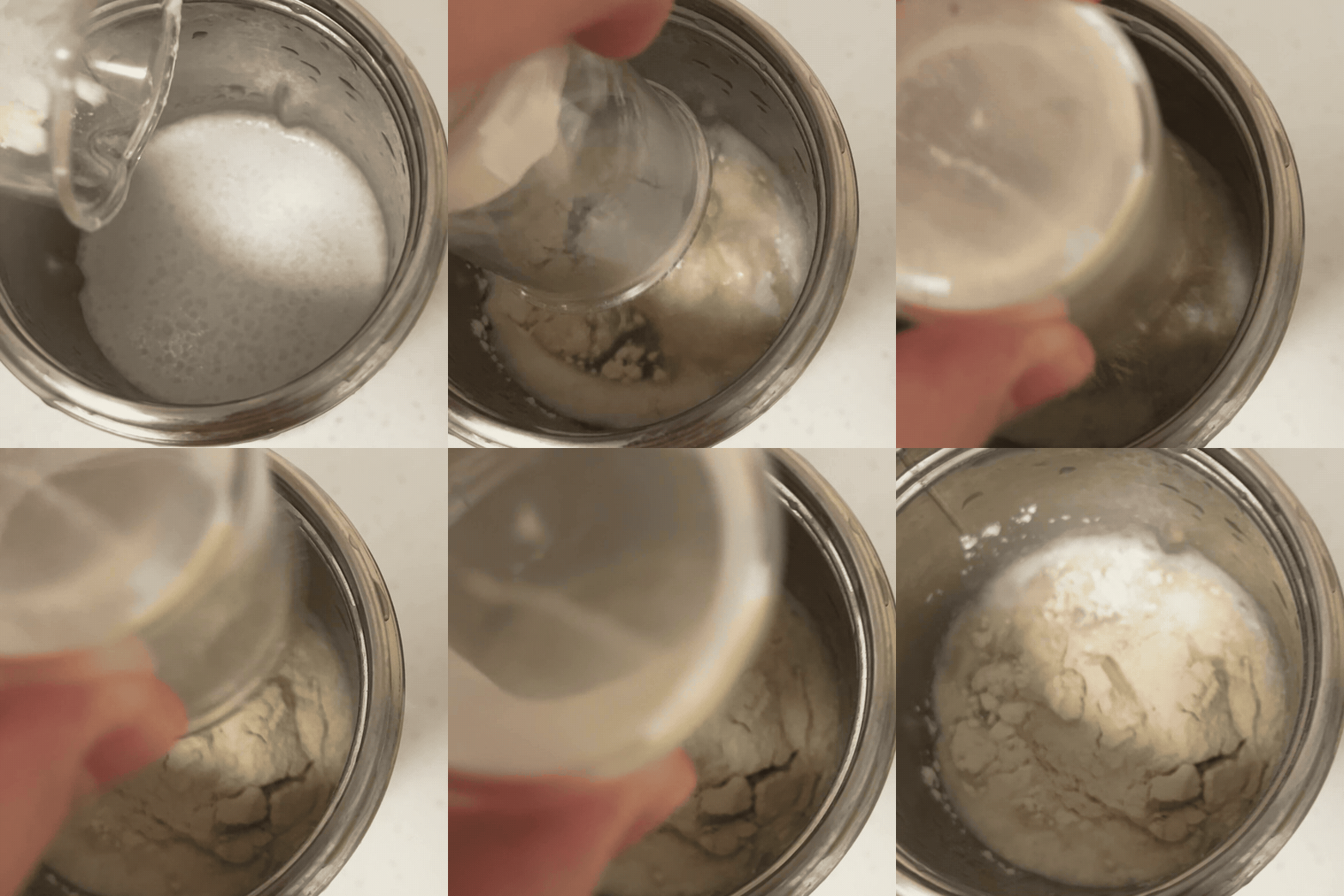
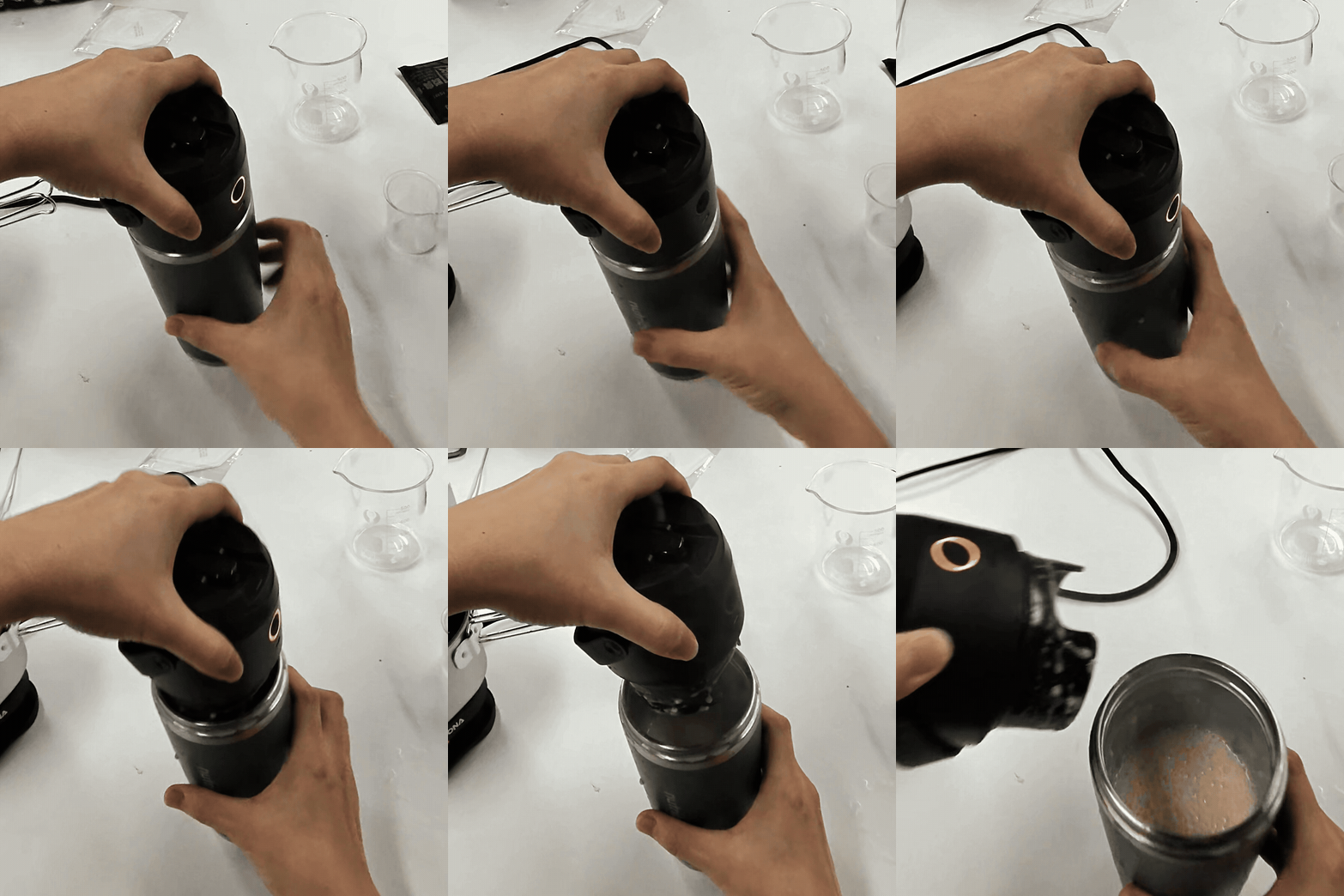
- Formulation Parameters: Water (280 ml–scaled for 450ml blender limit), Seaweed Powder (8 g), Activated Charcoal Powder (4 g), Thermal Purple Pigment Powder (3.5 g), Glycerol (1.5 ml—capped at 15% ratio), Zinc Oxide Powder (1.2 g), Beeswax (2.5 g), Calcium Chloride (0.3 g dissolved separately).
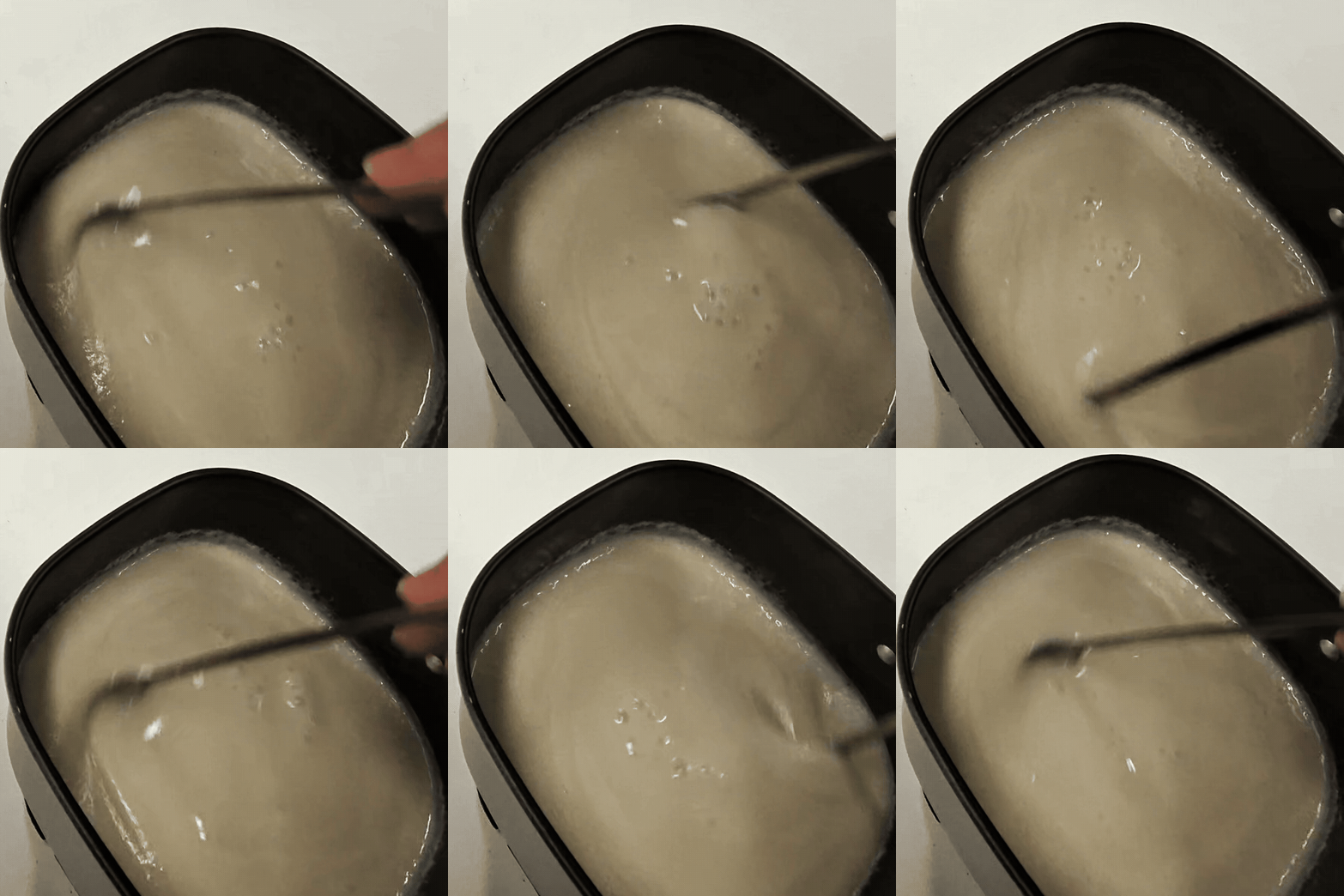
- Process Observations: Dry powders are pre-blended cold. Heat is applied up to 65°C to emulsify the beeswax, remaining strictly below 75°C to preserve thermochromic microcapsule wall integrity. CaCl2 solution is drizzled in off-flame while stirring rapidly to induce ionic cross-linking without flash-curdling the matrix.
- Casting and Microstructure: Cast flat and defoamed via alcohol spray. The cured sheet exhibits high dimensional stability, active color responsiveness, and zero surface sweating when exposed to ambient humidity.
Recipe Trial 13: Baseline Hydrophobic QC Matrix
Cast Date: 9 October, 2026
- Formulation Parameters: Water (350 ml), Seaweed Powder (12 g), Glycerol (2–3 ml—strictly capped), Zinc Oxide Powder (1.5 g), Beeswax (3 g), Calcium Chloride (0.5 g dissolved separately in warm water).
- Process Observations: Water, seaweed, glycerin, and ZnO are cold-blended before stovetop heating to melt beeswax. Dissolved CaCl2 solution is drizzled into the hot mixture off-flame while stirring rapidly to prevent localized clumping.
- Casting and Microstructure: Cast across flat stainless steel trays as a pale-yellow emulsion. Cures at 49°C into a tough, highly stable, non-slimy bioplastic sheet optimized for product prototyping.
Key Takeaways and Learned Insights
- Stoichiometric Plasticizer Thresholds: Exceeding a 15% glycerin-to-binder weight ratio induces severe syneresis in humid tropical environments; strictly capping liquid plasticizers prevents surface sweating and weeping.
- Synergistic Ionic and Phase Sealing: Combining pre-dissolved CaCl2 (for internal molecular cross-linking) with emulsified beeswax (for external humidity resistance) permanently locks the carrageenan matrix against moisture migration.
- Flat Metal Surface Heat Transfer: Deep silicone mold cavities restrict airflow and trap core moisture in dense composites; casting flat sheets across high-thermal-conductivity stainless steel trays drastically accelerates drying uniformity and surface quality.
Strategic Action Plan
- Ambient Humidity Audit (Recipes 11–13): Expose cured sheets of Recipes 11, 12, and 13 to outdoor ambient Singapore conditions for 72 hours to verify complete elimination of surface sweating and measure color-shift stability.
- Rice Flour Starch Matrix Exploration: Formulate an organic starch-carrageenan composite using rice flour to evaluate amylose/amylopectin gelatinization for dense, opaque sheet applications.
- Interim Review and Exhibition Mounting: Standardize flat sheet sample dimensions and finalize presentation display boards for the upcoming academic interim review and November Design Lab Showcase.