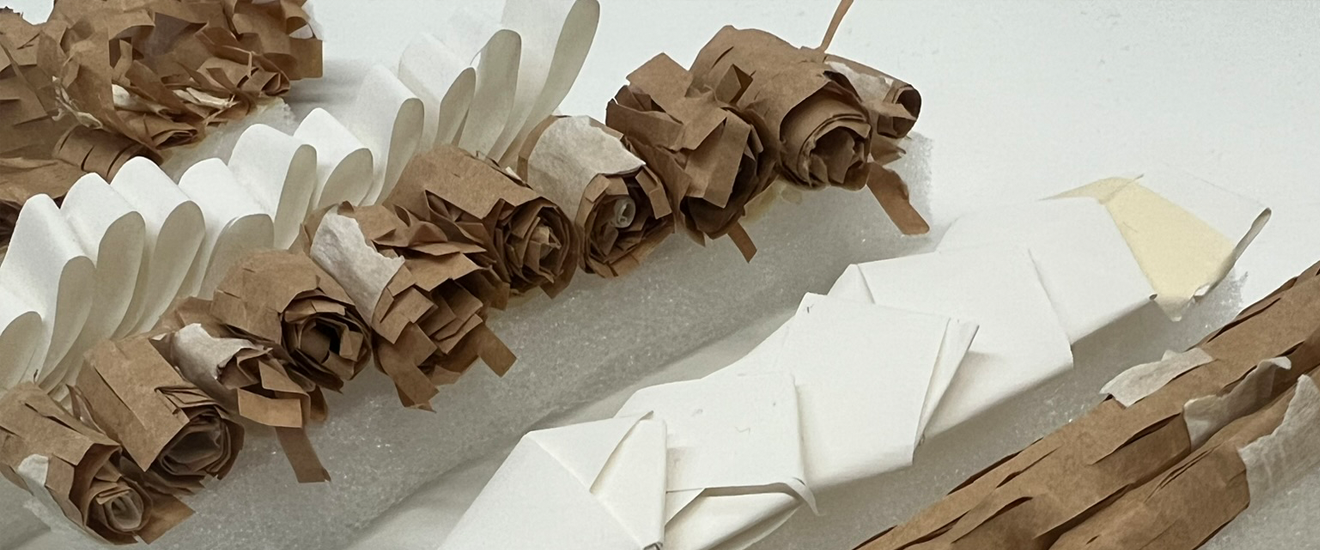
Key Consultation and Thesis Direction
Today’s consultation was a major turning point in framing my project's scope. We tackled my Statement of Intent (SOI), which revolves around building a closed-loop system for a seaweed-based bio-material product, transitioning away from speculative AI/IoT workflows toward building a transparent, closed-loop seaweed bio-elastomer system.
However, the discussion quickly pushed past the surface-level optimism of "sustainable design" to address the industry's darker realities:
- Ecosystem Stress: Over-harvesting seaweed poses severe ecological threats. Using a natural material does not automatically make a system net-positive if it disrupts marine biodiversity.
- The "Cool Factor" Fallacy: Designing with bio-polymers just because they are novel or trendy is a missed opportunity. Material choice must be tied to a functional and systemic why.
- The Litter Paradox: Switching to biodegradable materials does not solve human behavior. In fact, it risks accelerating littering if users assume a product is "safe" to throw into drains, rivers or the sea because it breaks down.
Case Study Reflection: Consider Sprite’s transition away from signature green bottles to clear PET. Green plastic was recognizable but visible green trash in waterways became synonymous with pollution. A material change alone cannot fix systemic waste; we must redesign consumer mindsets, incentives and disposal habits.
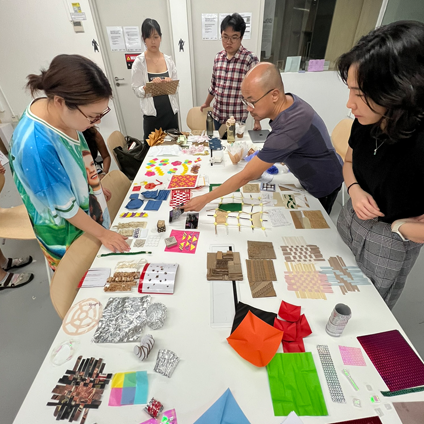
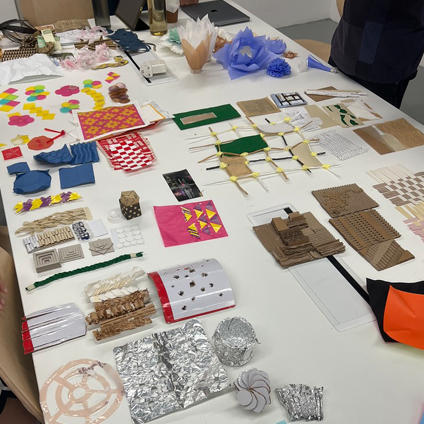
Activity: Paper Crafting and Tactile Exploration
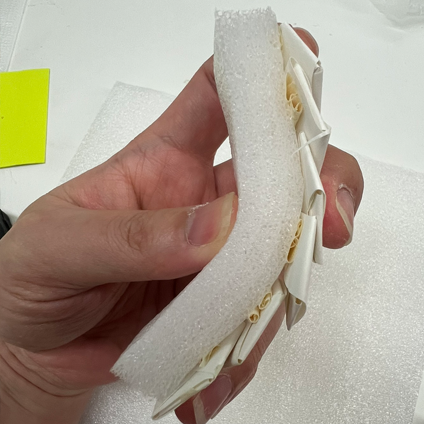
For this session, I presented tactile paper samples inspired by the growth mechanics of marine flora, how seaweeds anchor and climb vertically on rocks, posts and submerged ropes.
- Successes: Utilizing a flexible base allowed the surface geometry to bend and articulate, introducing dynamic light and visual movement. The positive feedback confirmed that these organic, structural textures carry strong visual weight.
- Challenges: Paper dynamics do not translate 1:1 to seaweed bio-polymers. The applicability of these structural patterns hinges entirely on the tensile strength, elasticity and curing profile of the final material synthesis.
- Major Takeaway: The consultation helped anchor my creative exploration into a grounded, actionable research project.
Critical Enquiries
- The Behavioral Trap: Will biodegradable alternatives actually reduce marine trash or simply change its composition while encouraging careless disposal?
- The Utility Expectation: If consumers demand plastic-level performance, how do we design bio-materials that are durable during their functional lifespan, yet degrade predictably at end-of-life?
- The Value Proposition: What incentivizes a manufacturer or consumer to choose a seaweed bio-polymer over traditional substrates, beyond moral posturing?
Material Opportunities
-
Application Sector
Hardware and Electronics
-
Concept
Synthetic Fiber and Structural Shells
-
Technical and Functional Rationale
Chemical modification
of the bio-polymer could
yield high-rigidity structural
matrices, potentially replacing
petroleum synthetics in cleaning
tools or rigid enclosures like drone
housings and circuit boards to
mitigate e-waste.
-
Application Sector
End-of-Life Rituals
-
Concept
Seaweed Urns and Biodegradable Coffins
-
Technical and Functional Rationale
Funerary practices centered
on returning remains to nature
present an ideal alignment:
degradation is a feature, not a
flaw. A higher-density formulation
could challenge traditional timber
without the long-term environmental
footprint.
-
Application Sector
Personal Care
-
Concept
Integrated Seaweed Soaps
-
Technical and Functional Rationale
Formulating soluble or dual-purpose
bio-matrices that dissolve entirely during
use, leaving zero structural waste.
Contextual Research and Material Precedents
To ground our early thesis scope and Statement of Intent (SOI) prior to laboratory trials, research was conducted into systemic product lifecycles, material provenance, and functional biomaterial precedents:
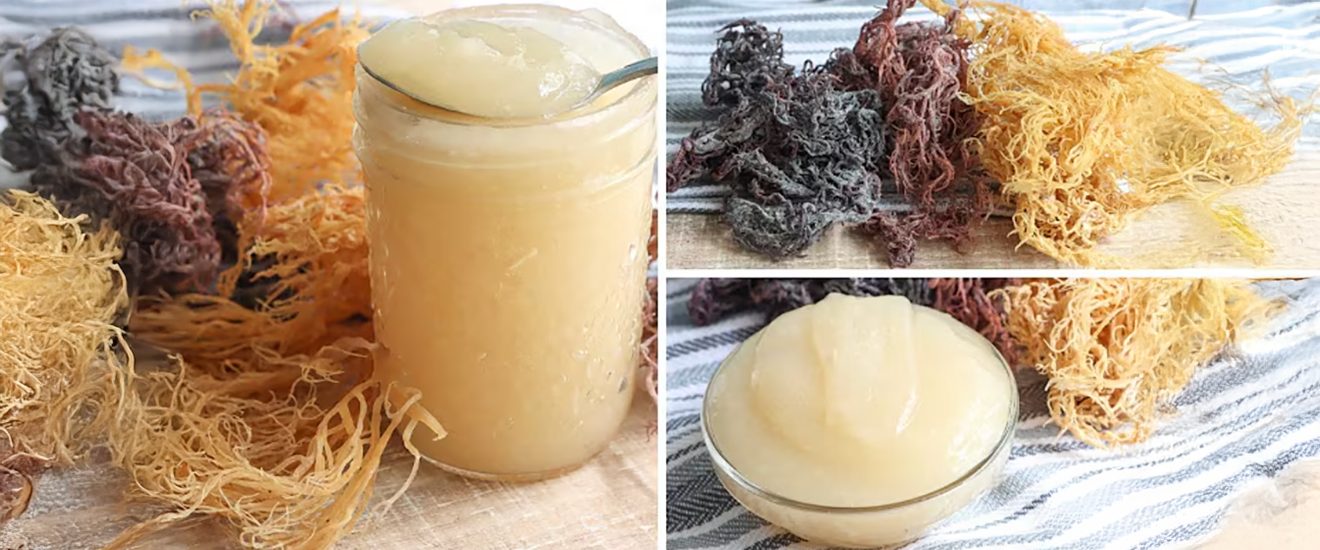
- Systemic Biomaterial Lifecycles and Ecological Ethics: Transitioning to bio-based polymers does not automatically yield a net-positive ecological footprint if raw material sourcing disrupts marine biodiversity. Research into red seaweeds (Eucheuma cottonii and Kappaphycus alvarezii) highlights the necessity of auditing regional supply chains across Java and Indonesia to ensure sustainable harvesting without ecosystem stress.
- Behavioral Design and The Litter Paradox: Industrial design case studies, such as Sprite’s transition from signature green PET to clear recyclable bottles, demonstrate that material substitution alone cannot solve systemic waste. Introducing biodegradable polymers without redesigning consumer disposal incentives risks accelerating careless littering under the false assumption that natural materials vanish harmlessly in waterways.
- Tactile Growth Mechanics and Structural Biomimicry: Paper crafting explorations auditing the vertical climbing and anchoring mechanics of marine flora provide a physical benchmark for biopolymer surface geometry. Translating flexible botanical articulating structures into biopolymer sheets requires defining minimum tensile thresholds and elastomeric recovery prior to product-level molding.
Visual Moodboard and Design Intent



Alternative Craft and Traditional Material References
Critical Design Reflection
Reflecting on this pivotal consultation, confronting the dark realities of sustainable design, specifically the "cool factor" fallacy and the litter paradox, realigned our project's core purpose. Designing with seaweed biopolymers simply because they are novel or aesthetically trendy is an empty exercise; material selection must be tightly coupled with a systemic "why" and a clear end-of-life protocol.
Evaluating potential application sectors, ranging from rigid electronic drone housings to biodegradable funerary urns, underscored that material degradation must be treated as an intentional design feature rather than a mechanical flaw. This realization shifts our focus toward rigorous empirical experimentation, establishing the exact physical baseline required before attempting complex product integration.
Key Takeaways and Learned Insights
- Systemic Consumer Behavior vs. Material Fixes: Sustainable design cannot rely solely on swapping materials; it requires addressing deep-seated consumer habits, waste behaviors and systemic product life cycles.
- Structural Integrity and Functional Versatility: Evaluating core bio-material parameters, such as optical transparency, fiber density and surface tactile feedback, dictates whether a bio-polymer functions effectively as an elastomeric skin, a rigid composite housing, or a flexible textile.
- Refining Strategic Purpose and Mentorship Direction: Continuous mentorship consultations ground material experimentation in rigorous methodology, forcing a clear distinction between consumer-facing applications, industrial feasibility and ecological impact.
Strategic Action Plan
- Additives and Material Matrix: Experiment with natural cross-linkers and additives to achieve structural rigidity comparable to dense hardwoods or technical polymers.
- Socio-Cultural and Behavioral Research: Study funeral rites, cultural norms and human behaviors around memorialization to assess whether bio-materials fit consumer expectations in end-of-life products.
- Provenance and Craft Context: Investigate the artisanal lineage of Bandung (the home of MYCL) alongside the supply chains of Eucheuma cottonii and Kappaphycus alvarezii from Java. Building a rich back-story connects consumers to the origin of the material.
- Hardware–Material Integration: Map the hardware-to-material interface. Define the tactile properties, density and degradation timelines of the seaweed bio-polymer to establish a repeatable, transparent material baseline for product prototyping.